

We’re just a few days out from the midterm elections, and I wouldn’t blame you if you’re over it by now. It’s dominated the headlines for far too long.
Much has been made about the fact that this election cycle is a referendum on the state of the U.S. economy. Our affordability crisis has been the rallying cry of the Democrats. Meanwhile, Trump frequently tries to reassure everyone that everything is fine. Just look at the stock market and the job market! Still, he understands the power of a cash bonus and is also promising to give everyone $5,000 if the Republicans stay in power. (Just don’t think that $5k will get you much at Mar-a-lago.)
The thing is, pretty much every election cycle is about how Americans are feeling about their finances. This is nothing new. But as someone who’s spent the last decade writing about money, I can say there’s a huge divide between “the economy” that economists and politicians are talking about and “the economy” everyday Americans are living in. The first group loves to point to the data and say everything is great! But the second group would beg to differ.
In her recent Bloomberg column, economist Kathryn Anne Edwards asked if Americans are justified in feeling so unhappy. “Or are they feeling entitled, maybe a little bit petulant or ungrateful?” she wrote. “After all, they have jobs and they’re shopping—aren’t those the two things Americans like to do most?”
(I will note that I do like to shop and work!)
Edwards goes on to explain that while the unemployment rate is steady, the “low hire, low fire” environment we’re living in means long job searches and stagnant wage growth. (Plus, all the jobs kind of suck!) And as for the shopping, well, that’s relative, Edwards argues. Those who are getting rich off the stock market feel pretty good right now. Everyone else, not so much.
 Alicia Adamczyk
But it’s the midterm elections—and the nation’s opportunity to voice their distaste via the polls—that’s really got everyone in their big feels. “Voters were mad at former President Joe Biden for high rates of inflation, so they elected Donald Trump,” Edwards wrote. “Inflation is still too high, so now they are mad at [Trump].”
Unfortunately, Edwards thinks our unhappiness goes deeper than just political ire: “Americans are dissatisfied not with the current administration, but with the current organization of the economy.” That data might state that we’ve got jobs and we’re still buying stuff, but we’re also grappling with the sky-high cost of essential expenses—child care, health care, groceries, housing, and homeowners insurance—which continues rising at rates that our salaries can’t keep up with. Sure we can shop, but we can’t afford to go to the doctor. And that means something has got to give.
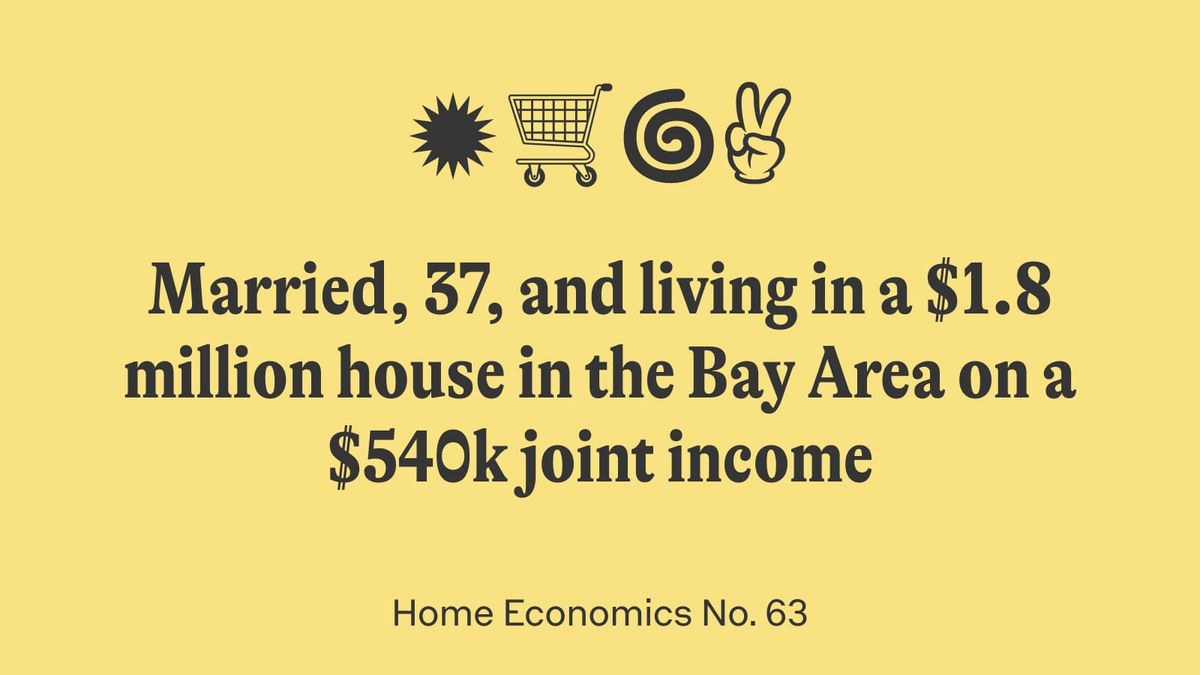
I’ve been thinking a lot about some of the recent editions of Home Economics featuring (relatively) high earners living in million-dollar homes with monthly mortgage payments around $8,000. When you spend that much on housing, you really need everything else in your financial life to go just right. (Unless you’re lucky enough to have some serious generational wealth.) There’s very little room for error—a job loss, health crisis, or market crash could cause the whole house of cards to tumble. And we all know that we have pretty much zero control over things like layoffs, cancer, or a stock bubble.
People who don’t earn $300,000 or more a year understandably get grumpy when those in the top 10% start to complain about affordability. But when you look at these high-earning Home Economics, the families are rarely spending lavishly in other categories. Most of them are still carefully monitoring their budgets and seeking ways to cut back their discretionary expenses. In the last Home Ec, the writer earns $400,000 a year and still laments she can’t get massages as often as she’d like.
 Lindsey Stanberry
“We’re facing a crisis of economic security, and it’s getting worse,” writes Yale Law professor Natasha Sarin in a recent New York Times op-ed. “[A]ll the money we’re paying doesn’t buy us security.” In Bloomberg, Edwards shared a stat that “just over 30% [of Americans] believe that their personal financial situation will be worse in five years.”
To add to the money anxiety is all the uncertainty that’s connected with the meteoric rise of AI. By all accounts, it’s on track to destroy both the job market (by taking all our jobs) and the stock market (by being the bubble that pops). Also, it’s going to wreck the environment, overrun our neighborhoods with data centers, and destroy society as we know it by 2031. Those Americans who think that they won’t be financially better off in five years might be reading the headlines about that impending AI apocalypse.
Look, I’m pretty blatantly a liberal, and I generally believe that the Democrats do a better job running our country than Republicans. (Though there are plenty of examples of how both parties suck.) But in this election cycle, with all the hand-wringing over the economy, I think it’s interesting to consider how much has changed in the two years since the last presidential election. At that time, unemployment was low and inflation was high. No one should have been surprised about rising prices because wages were also going up. The Biden administration was investing in infrastructure and clean energy, both areas which promised more job creation. But people still didn’t feel like the economy was doing well.
Now, unemployment is still low (though not quite as low), the stock market has reached record highs in recent months, and the GDP even grew more than expected last quarter. But wage growth isn’t keeping up with inflation, and employers have stopped hiring. The reason why everything is so expensive is primarily due to trade wars and real wars spun up by a power-hungry president. Most notably, our federal government has stopped investing in its people. They cut health care subsidies, student loan forgiveness programs, SNAP benefits, and hundreds of thousands of well-paying federal jobs, just to name a few. It feels like there are fewer and fewer social safety nets available to us these days.
Next week, depending on the outcome of the elections, the media will likely argue that Americans voted with their pocketbooks. But will it do anything to improve the vibes? I’m voting either way, but I wish I felt more hopeful.
In the Times op-ed, Sarin argued the best way forward is to “increase the supply of housing and of capable caregivers, make sure Social Security doesn’t go bankrupt and make our health care system more efficient.” Sounds like a reasonable plan to me. And we know our federal government has the money. Just look at what they’re spending on this ill-conceived war in Iran. So why is it so hard to make it happen? It’s what voters are asking for.
-Lindsey
What else we’re reading, watching, and listening to
- We’ve written a lot about sinking funds on The Purse, which are savings accounts for specific purposes, like a 40th birthday party, Christmas gifts, property taxes, etc. I liked this iteration on the idea from Erin Lowry. She advises creating a “Show Up” fund: “A stash of cash you contribute to regularly that gives you the financial flexibility to book a flight or take time off work or pay for extra child and/or pet care or send a gift or other resource to a loved one,” she writes. Of course, you’ll want to hold that in a high-yield savings account! -Alicia
- Claire Zulkey’s parenting newsletter, Evil Witches, is one of my all-time favorites because it’s so real. This week, Claire’s newsletter on travel sports gave me heartburn, in part because some of Freddy’s friends are threatening to join a travel baseball team, and I really want nothing to do with it! -Lindsey
- Are any of you playing Krillion or Farflung? They’re the newest games in my daily rotation. They’re really hard! -Alicia
- I truly love having a boy, but I’m also a little sad he never got into dolls, and I don’t get to complain about having too many American Girl dolls laying around the house. The iconic brand is celebrating its 40th anniversary this year, and I’m loving all the coverage about it, especially this little piece on Samantha for NPR Weekend Edition. (I personally owned a Kirsten doll, and Alicia owned a Samantha!) -Lindsey
The Purse classifieds
- The Purse is now offering classified ads in our Friday newsletter! Email classifieds@thepurse.co for more info.
On our radar
We have a few story requests we’re hoping Purse readers can help with:
- First, for a future edition of our personal finance newsletter, we’re writing about the state of health insurance in 2027 and how families are making it work. If you have a few minutes, would you fill out this survey about your own health care expenses and how you’re managing? Responses will be kept anonymous unless you note otherwise.
- Scammers thrive in part because we feel shame when we fall victim to their ploys, and we’re too embarrassed to share our experiences. Ahead of the holidays—primetime for these bad actors—we’re doing a series of stories in the newsletter around scams. If you’d like to share your story (anonymously), please reach out to lindsey@thepurse.co.
TikTok of the week
Stat of the week
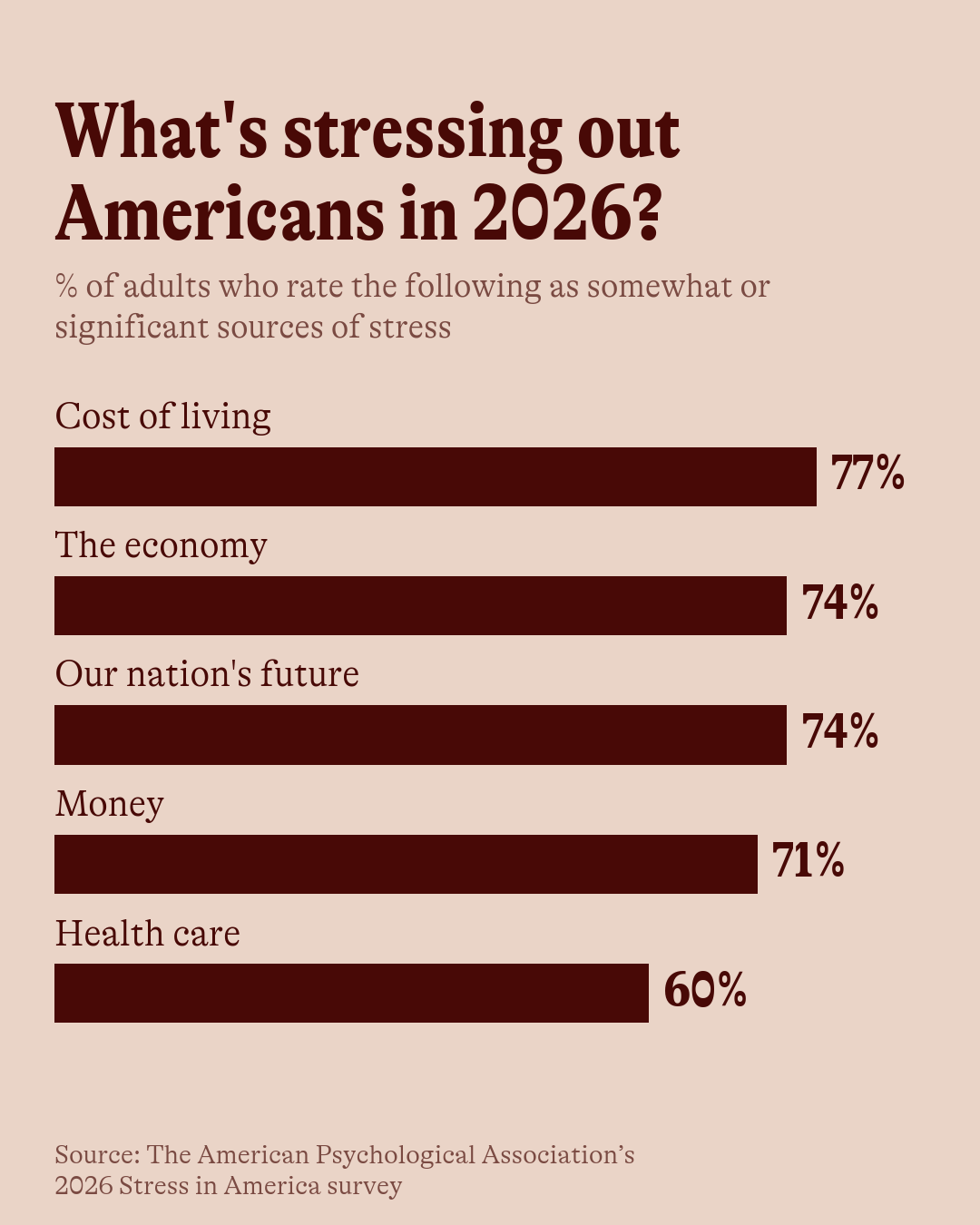
Shocker, all our stressors are related to money!
What else we published on The Purse this week
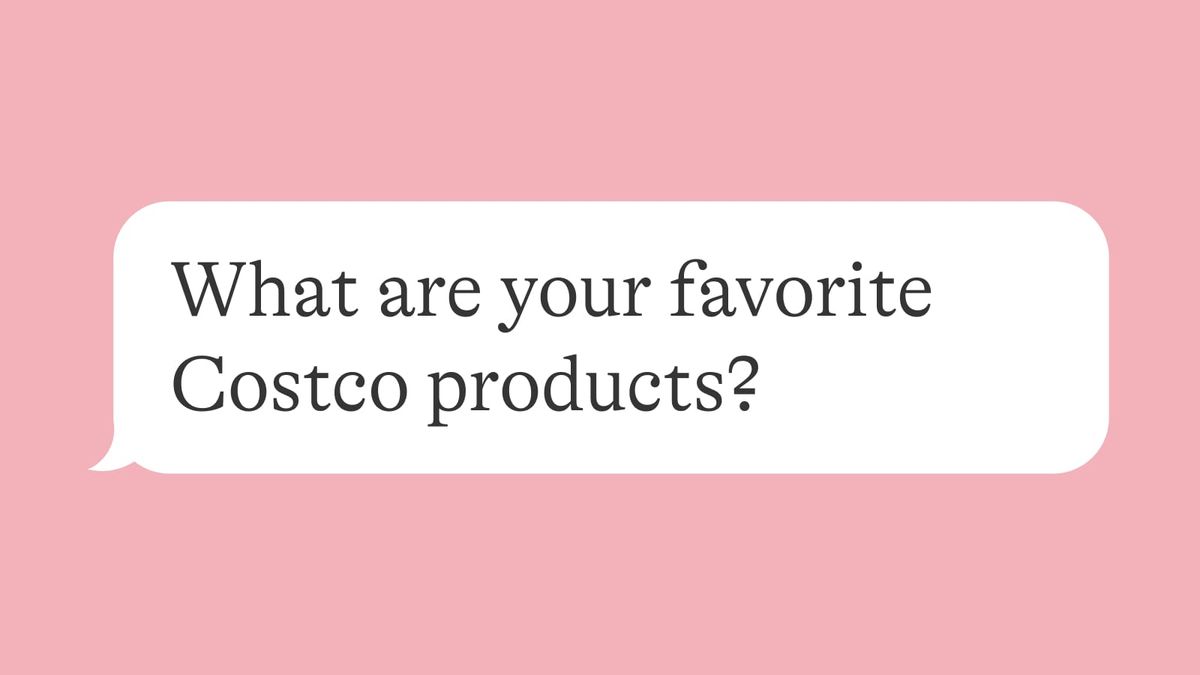
Alicia wants to know your faves!
 Alicia Adamczyk
In this week’s personal finance newsletter: Do you know what a safe harbor IRA is? No? It could be costing you!
 Alicia Adamczyk
We fit a lot into October! Plus, for paid subscribers, Lindsey’s thoughts on being called a “creator.”
 Lindsey Stanberry
Best money we spent this week
- After a few expensive weeks, I didn’t spend much this week! -Alicia
- Ken and I celebrated our 17th wedding anniversary last weekend, and after dinner we popped into Honeycomb HiFi, a Japanese-style listening bar in Park Slope. They have a “no cell phone” policy, which I didn’t mind—and apparently no one else did, because the place was packed. We sat at the bar, and it was interesting to overhear people’s drink orders. I’d say it was 50-50 people ordering alcohol versus nonalcoholic drinks. We enjoyed some Japanese whiskies, and I’m regretting not writing down their names! ($50) -Lindsey
This post includes affiliate links. The Purse may receive compensation if you click the link and make a purchase. It comes at no cost to you.


