N asks:
I’m curious to hear any stories through the lens I’m looking through: a couple who has kids but isn’t married. My partner and I are constantly navigating how to blend assets. Even when we think we have a cut-and-dry, clear separation, it gets muddled, in terms of our own inheritances from our parents.
We also have to deal with how to leave things to our kids since we aren’t supposed to have a joint trust without marriage. We don’t believe in marriage as an institution but it is getting harder and harder to stay unmarried!
You are right that the law favors married couples in many ways when it comes to taxes and estate planning. Married spouses can transfer unlimited funds to their spouse without incurring a gift or estate tax, and they can also often avoid property tax reassessment after one of them dies if the other inherits the property, which does not apply to non-married couples.
And it’s true that a joint trust may be inadvisable for unmarried partners. For example, if you set up a joint trust but one of you contributes much more to it over the course of his or her life, that may be considered a taxable gift to the other partner upon their death.
But you can set up separate trusts for your kids that will work just as well, says Kate Phelan, regional director of wealth planning and trust advisory at U.S. Bank. For example, you might have one for your assets, one for your partner’s assets, and a joint pour-over trust for shared property.
That said, it still might be possible to set up a joint trust—you just may need to see a different lawyer who can help you work out the logistics. You can create two separate trusts within a single trust agreement, for example, although that is a lot of work.
“Estate planning has a lot of conventions, and it has a lot of standard things,” says Phelan. “But the other thing about estate planning is it can look however you want it to, as long as it’s legal.”
One of the most important things you can do is make sure that your assets are titled appropriately. If only one partner is on your home’s deed, for instance, and the owner dies, it can lead to complications for the surviving partner.
That said, putting a non-spouse on the title can have unintended tax consequences. If one partner dies and a non-spouse inherits a home, they may be on the hook for a large capital gains tax bill if they later sell, assuming the price has appreciated. One way around this—aside from marriage—is to pass the property through a trust to the surviving partner.
There are a number of other things to consider when you’re unmarried, says Emily Green, Ellevest’s head of wealth management. Marriage has a set of legal defaults that act as a basic estate plan if you don’t have one. But the same things aren’t usually available to non-married partners. It becomes all the more important to be intentional about how you want your assets managed after death.
“The most important thing to think about when you have kids is creating basic estate documents. Creating wills, and in some cases trusts, is the first step,” says Green. “If something happens to your partner, and you don’t have the legal documents stating that you are the beneficiary set to inherit their assets, the assets will likely pass to a blood relative, which could put you and your children in a difficult financial situation.”
Some other things you will want to consider if you are partnered but unmarried:
- Durable medical power of attorney: This allows your partner to make medical decisions on your behalf. Otherwise, they might not be allowed to, and the decisions could fall to a parent or sibling, even if you are not close to them.
- Financial power of attorney: Similar to the medical power of attorney, this allows a non-spouse to handle the various financial aspects of your life, like accessing bank accounts to continue to pay a mortgage, and so on. It also allows them to contact your health insurer.
- Account beneficiary: To ensure your partner receives your retirement assets, name them as the account beneficiary on 401(k)s, IRAs, etc. When you do this, the assets will also avoid being sent to probate.
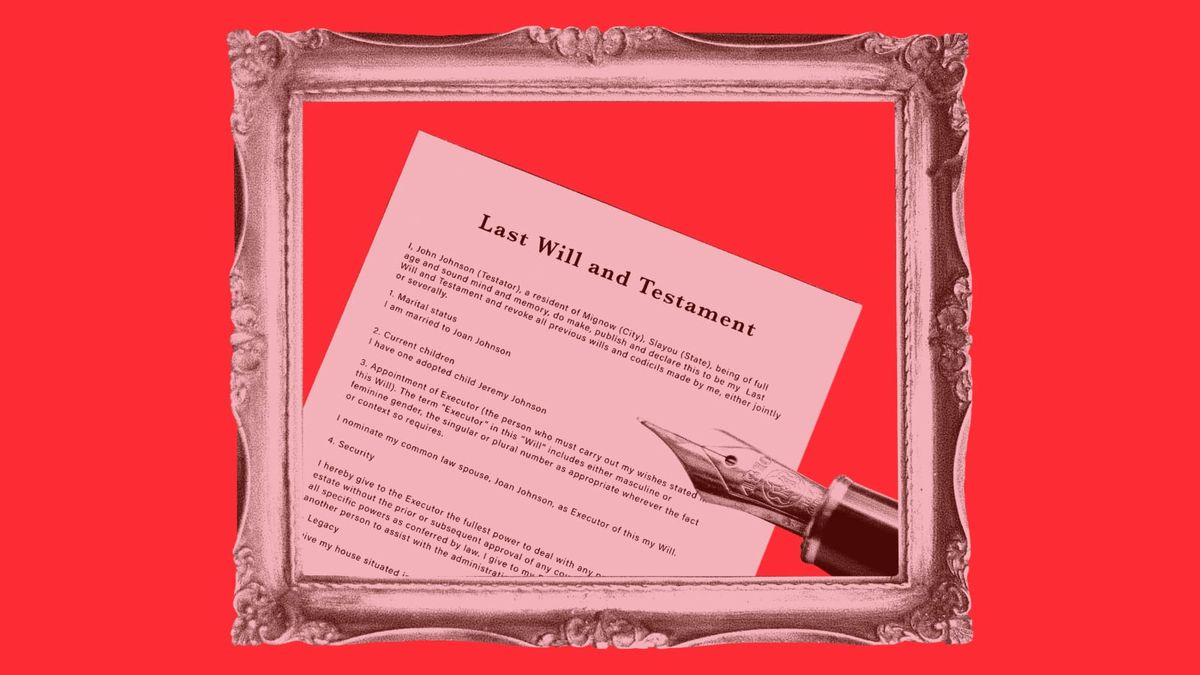
- Last will and testament: If you are not married but want to leave your assets to your partner, you need to spell that out in your will. Otherwise, everything will go to probate and be distributed according to your state’s intestate succession law. That includes items that cannot be titled—say sentimental belongings or even jewelry.
- Legal parenthood: Are both partners considered legal parents of your children? This becomes especially important in same-sex couples or in situations where one partner is not the biological parent, says Green.
Keep inheritances separate
If you yourself receive an inheritance, Phelan says it’s important to keep it completely separate from your partner. You want to make sure you have an account in your own name where the money is transferred to, rather than held in a joint account.
“Make it very clear in the titling, in the holding of that asset, that it is your own money,” says Phelan. “That’s not to say that you can’t use the money for the benefit of your relationship or the benefit of your kids, but your parents’ intention is that it goes down the family line, right from them to you to your kids.”
Women especially can struggle with keeping the accounts separate, feeling the social pressure that it is rude to do so, says Phelan. You can always spend the money how you see fit, but keeping it separate protects you and your own children if something happens with your partner or spouse.
More from Inheritance Month:
 Alicia Adamczyk
 Lindsey Stanberry
 Alicia Adamczyk