

Alicia here. This week we have a guest essay from Jamie Feldman, a Brooklyn-based writer and podcaster. I first met Jamie when I interviewed her about her debt payoff videos on TikTok; below, she gets into more of her feelings about her debt and complete strangers’ reactions to it. She also shares how learning more about money has changed her life.
It was a hot morning in the middle of July, and I was in bed, scrolling through hundreds of comments on a TikTok I posted the night before. The trolls had found me.
“You’re not pretty enough to be in credit card debt.”
I was dumbfounded—not only because this particular missive both hurt my feelings and made no sense, but also because up until that point, I’d never gotten any mean comments on my videos, or any real comments at all. Very few people even knew my account existed.
At the time, TikTok was a corner of the internet that was still pretty foreign to much of my age group (let’s call us Great Recession millennials, IYKYK), but I had started making videos chronicling my debt-payoff journey. Over the course of a decade, I had accrued around $20,000 on credit cards. And, thanks to a deadly combination of cognitive dissonance and the privilege of full-time employment—and the bi-weekly paycheck that comes with it—I was able to mostly ignore it for years.
But in the shadow of a devastating layoff from what was once my dream job, I hit a breaking point. I lost my shit (technical term) in the middle of Prospect Park, admitted out loud that I was in serious financial trouble, and pledged to do something about it—fast.
My best friend sat by my side as I painstakingly sifted through six months of bank transactions, dutifully categorizing them while wincing at the totals. Of all the blind credit card tapping I’d become accustomed to doing, restaurants and shopping were the two most egregious offenders. The categories were not a total shock, but the numbers were.
I decided that I would challenge myself—no eating out or buying anything besides necessities for a full month. I made daily videos on TikTok to hold myself accountable.
A small, supportive online community convened. These were people who, like me, were ashamed of what they perceived to be personal financial failure. They’d leave words of encouragement and heartfelt notes about how my content made them laugh, or feel seen, or both.
It was pretty cathartic. Until the morning of the offending comment, months after I first started posting, when I realized I was no longer swimming in the tiny wading pool, waxing poetic about boxed wine and peanut butter sandwiches. I was in open digital waters, and it was filled with sharks.
The video, in which I playfully attempted a DIY car wash as a way to save money, had racked up over a million views. Apparently, I’d used the “wrong” kind of brush, and people were mad—at my choice of brush and also at me.
I was a fool for getting myself into this mess, a fool for even having a car while in debt. Most of all, the commenters wanted me to know that I should be ashamed of myself.
That initial brush (pun intended) with trolldom was painful. It was scary to put it all out there, and I wasn’t prepared to be vehemently judged for my financial decisions—or my physical appearance.
But I shouldn’t have been surprised that the trolls found me. So many of us are raised on the all-American belief that our success—and our failure—is ours alone. If we just work hard enough, we can (and should) rise above and succeed financially. This ingrained belief is compounded by the Dave Ramseys of the world who are getting rich spouting off shame-based, puritanical financial advice. As I sifted through countless angry comments on my car-wash post, I realized I clearly touched a nerve.
I knew better than to feed the trolls, and yet I couldn’t help myself. First, I just responded in the comment section. And I ultimately made a whole video dedicated to responding to the nasty comments. I thought I was delivering clever clapbacks, but really, my responses were all some variation of:
No, please, you don’t understand. But if I keep explaining myself, you will. I’m a good person—and you have to think so, too.
My incessant need to be understood and liked did not start in the comments section on TikTok. It’s something that has followed me throughout my whole life. It’s a big part of why I ended up in debt in the first place.
For years, I was codependent and conflict avoidant. I never wanted to say no—to anyone—and, thanks to access to credit, I didn’t have to. I constantly agreed to trips, concerts, dinners, events, most of which I couldn’t afford. I believed that my place in my friend group was contingent on my willingness to show up and shell out.
Not because they, I don’t know, liked me as a person?
But when I lost my job and started talking openly about money, I was forced to do something that felt even scarier than finances: be honest.
I had to have the awkward conversation with friends about why I could no longer make it to the dinner reservation we’d organized weeks before. I canceled a trip for a friend’s wedding across the country. I had to create boundaries, which meant I sometimes had to disappoint people, which felt akin to hurling myself off a cliff. Every time, I’d brace for impact, anger, misunderstanding. But nearly every time, I was greeted by a soft landing. Disappointment wasn’t, as I’d led myself to believe, a friendship dealbreaker. It was just something that happens and passes.
In the aftermath, I was left with friends who are supportive and spending habits that are in line with my values. But most of all, I felt so much relief.
When my audience continued to grow on TikTok, people would sometimes say, “You should start a podcast!” But I didn’t think I was qualified to offer personal finance advice on a podcast (or anywhere for that matter). My best-friend-slash-writing-partner and I laughed off these suggestions before swiftly turning our attention to one of our other many half-baked projects.
But the more we talked about money, the more we saw a much bigger story start to unfold. Maybe the world has enough personal finance podcasts and self-help gurus, but if that’s really true, why are so many people still in so much debt? And why are some people so angry about my openness about my financial struggles? Is there something else going on here? It made me want to keep talking.
These questions would become the basis for our narrative podcast, Debt Heads. Over the past three years, I have uncovered seemingly endlessly difficult, sometimes shocking truths about both myself and about our economy. Take, for example, the obscure 1978 Supreme Court case that fundamentally changed the way credit card interest rates are determined, and how that decision correlated with the explosion of debt in the United States.
Coincidence? I think not. Debt isn’t just a personal issue. It’s a systemic one.
I do not absolve myself of all responsibility for my financial situation. No one forced me to use my credit card to pay for more $100 dinners than I care to count. (This joke really sums it up.) But going from being silent about money to talking pretty much only about money has made it impossible to feel, if not empowered, at the very least a little more self-righteous about what actually does and does not cause a person to get into debt.
Today, I still don’t make enough money to live without relying on some credit. But now, I also know how much money I have coming in and what’s going out. I spend and live according to what matters to me. I take better care of myself and my community. I don’t worry (as much) about what people think about me, in real life or on the internet. I don’t have anything to prove.
Talking about money on the internet might not be for everyone, but three years after that first viral video, I know something for sure: There are always going to be people who don’t like me (or my face), but being open about my financial struggles inadvertently helped me feel less alone, more powerful, and happier than I’ve been in my entire life.
Most crucially, I know that trying to get out of this situation alone—both on a personal and societal level—is a fool’s errand. It takes community. It requires individuals to reckon with our own financial habits as well as the way our economy is designed. And it’s something we can only do together.
-Jamie Feldman
Consumer debt in the news
- Few Purse readers will be surprised to learn that consumer debt is exploding, particularly as inflation keeps climbing higher and higher.
- And as credit card interest rates soar, the rate of delinquency is rising in tandem. In fact, it’s at the highest level in 15 years—or the period following the 2008 financial crisis, The Wall Street Journal reports.
- Here’s Alicia’s original story with Jamie, from 2022. Even then she was advocating for people to be honest about their debt and lean on their support system. “No one talks about their debt while they’re in. Let’s talk about it and get through it together. I want other people to feel seen in their experiences.”
- Last year, The Cut published a really interesting article where they interviewed more than 100 people about their credit card debt.
- Friend of The Purse Matt Schulz has a really useful personal finance newsletter, Ask, Save, Earn, and last summer he shared his own story about paying off credit card debt.
What else we’re reading (and watching and listening to)
- I saw Stop! That! Train! with a friend this week, and it was delightfully stupid. -Alicia
- Also stupid, but less delightfully so: The Reflecting Pool saga. I just… -Alicia (Lindsey co-signs this! Just ridiculous!)
- I’m low-key obsessed with Grace Farris (her “Weekend Mom” comics are my favorite), and I loved her house tour on Cup of Jo. Unsurprisingly, her home is chic and full of cool art, and her narration of the space is so funny and charming, filled with cute anecdotes about her kids. Also I’m so glad she shared the recipe for pasta a la gala! -Lindsey
- Friend of The Purse Laura Fenton has a great roundup of her favorite Trader Joe’s products in her newsletter, Living Small. I left a comment sharing my favorites! -Lindsey
- How are we feeling about these wedding venue rumors? -Lindsey
What’s on our radar
- Lindsey is quoted in this story by Charlotte Cowles in The Cut about parents who have the means but won’t help their children financially, and the resentment that engenders. Very interesting convo!
- I wrote about how to protect yourself when it comes to all those buzzy high-yield “savings” accounts offered by tech companies. - Alicia
- The new season of my podcast Debt Heads is out now! And we finally have merch featuring our motto, “(In)sufficient Fun(ds),” and artwork from our friend Dan Funderburgh. I’m mostly just impressed we finally made a decision on colors, honestly. -Jamie
- Chris and his business partner (Other) Chris designed the logo for Slate Auto’s $25,000 EV last year. It’s fun to finally see the truck out in the wild! - Alicia (Lindsey popping in to say this is SO cool, and also I want one of these trucks!)
Comment of the week
“This article gave me a lot to think about! My mom's side of the family has some ‘drama’ around my grandma refusing to go to assisted living because she doesn't want to spend the money she set aside for children/grandchildren inheritance on herself. She still lives independently at 94 with vision loss and several other health concerns. It is incredibly stressful for my mom (her primary caregiver), who only wants her to be safe. Of course, there is also the underlying loss of independence that comes with long-term care. I imagine there are others in this boat?”
- Haley P on “Who will benefit from the Great Wealth Transfer?”
TikTok of the week
@babylist Are you and your partner checking in enough to know what each other actually needs? Earning the money doesn't mean you're off the hook for everything else. The hardest money conversations aren't about budgets. They're about roles, resentment, and staying on the same page.
♬ original sound - Babylist - Babylist
What else we’ve published on The Purse this week
This Home Ec makes a good case for spending more money on child care.
 Lindsey Stanberry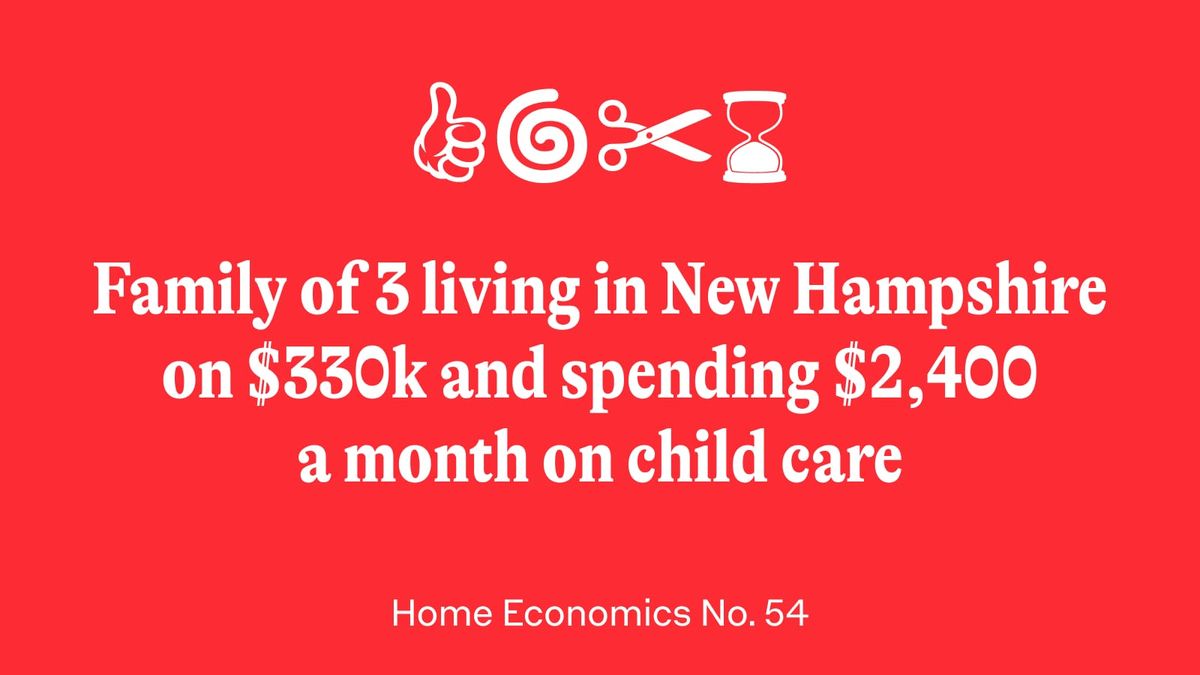
Are you going broke this wedding season?
 Alicia Adamczyk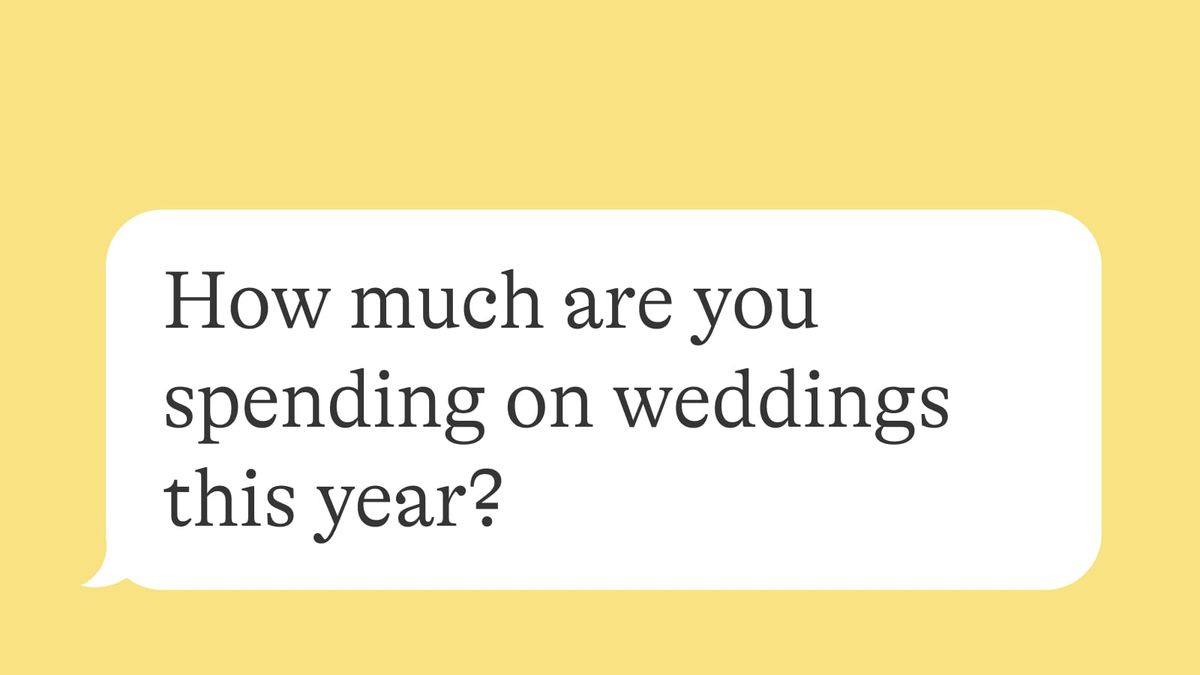
Our second inheritance diary gets into some of the complications that can pop up after a parent’s death.
 Alicia Adamczyk
The fifth episode of Family Money is all about navigating love and money.
 Lindsey Stanberry
If you’re not married but have a long-term partner, here’s what to know about estate planning.
 Alicia Adamczyk
Best money we spent this week
- I owed Chris a belated anniversary gift, so I used credit card points to get him the Switch 2 he’s been eyeing for the past year. He loves it, and now I get his original Switch! -Alicia
- This Knicks / Grateful Dead crossover T-shirt. I’m still flying high from the finals, and this convergence of my two personalities, er, interests, is the perfect way to keep the party going. -Jamie
- Since my son was 5, we’ve timed his birthday party to be the same day as our street’s block party. And in the last few years, I’ve taken on the job of gathering neighbors’ signatures, filing the application, and paying the $25 fee, which I took care of this week. If you live in NYC, I highly recommend organizing a block party. It’s such a wonderful way to get to know your neighbors! -Lindsey
Thank you, Jamie! Please comment with kindness!


