It was a tough week for the stock market, as equities had their worst week in over a year. The S&P 500 wiped away nearly all of the gains it made in 2026 and ending in correction territory Friday, while the NASDAQ is now lower than it was in January.
You can thank the artificial intelligence trade for the declines. Worries about an AI bubble have been mounting for some time; indeed, with just a handful of tech companies driving most of the market’s gains for the past few years, there has been a lot riding on the new technology’s success.
 Alicia Adamczyk
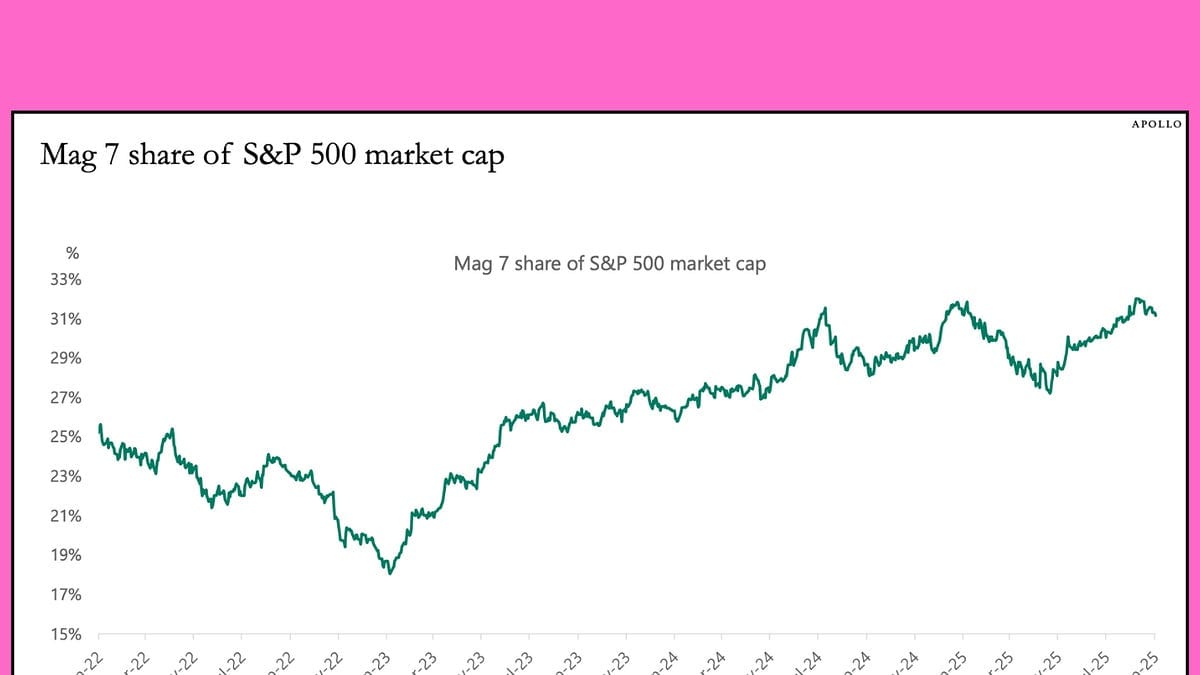
But investors aren’t seeing the dividends they hoped to by now. Companies have been investing heavily in AI, and, so far, there isn’t much to show for it.
Not even the blockbuster initial public offering from AI darling Anthropic this week could salvage the mess. While the company’s stock soared in its first day on the stock market, it swiftly fell back down to earth on Friday.
Here is what is driving the stock sell-off:
- Concerns about the AI boom, driven by public pushback to data center construction and Democratic wins in the 2026 midterms.
- Jensen Huang’s ouster at Nvidia.
- Potential for the Federal Reserve to keep raising interest rates.
So, should you be worried?
There’s no reason to panic. The stock market falls into correction territory fairly regularly. (It’s done so 12 times over the past 20 years.) Given how explosive growth has been, analysts expected it to recalibrate at some point.
Still, this week’s turmoil could signal some deeper problems in the economy, and there is likely to be more volatility ahead. If you’re new to investing, now is a good time to consider your risk tolerance, or how much of the market’s ups and downs you can handle when investing. Consider both your emotional comfort with losses in your portfolio and your financial ability to withstand them.
Remember: Historically, stocks have yielded higher returns over time than other short-term investments and cash. (Though past performance does not guarantee future returns.) But stocks don’t just go up and up and up in perpetuity. There are always dips, sell-offs, and revisions.
Take a long-term perspective. If you’re primarily investing for retirement and you’re not in or near retirement age, then accepting stock market fluctuations is one price to pay for potentially higher returns over your lifetime.
If you are in or nearing retirement, ideally you will have already lessened your exposure to stocks. Reach out to your advisor, if you have one, or take a wait-and-see approach to how things play out in the days and weeks ahead.
The worst thing you can do is make changes to your investing strategy in a moment of volatility.
More from The Purse:
 Alicia Adamczyk

 Alicia Adamczyk