


Two quick things before we dive into today’s newsletter. One, we’re working on a fun project with Babylist, and we’re looking for your family money questions and stories. Want to share? Fill out this form.
And two, just a reminder that we’re taking next week off, which means no newsletters on Wednesday or Friday. We’ll miss you terribly!
Over the past few weeks, I’ve watched in general trepidation as the private credit industry seems to teeter on the brink of disaster. Investors have withdrawn billions from the risky funds, defaults are on the rise, and some experts worry the woes could flow through to the broader financial system.
I’m anxious not just because it feels like a slow-moving car crash not dissimilar to the 2007 mortgage crisis, but because it comes at the same time that the financial industry, backed by the Trump administration, has been pushing private market investments on retail investors—the Wall Street terminology for regular people with 401(k)s or IRAs like you and me.
Then on Monday, the Trump administration made it official: The Department of Labor proposed a regulation intended to increase 401(k) and similar retirement plan exposure to private equity and private credit. Right when everyone’s questioning whether there is something nefarious going on in the private credit space, the government thinks it’s a good time to open the market up to new, less-experienced investors with their life savings on the line.
Before last year, 401(k)s could hold private investments under certain circumstances but mostly didn’t. Encompassing assets like private credit and private equity, these investments are risky and complex, and most 401(k) managers didn’t want the headache. (Or, frankly, the legal liability.)
But there’s been a concerted effort by the wealth management industry over the past few years to open up 401(k)s to private assets and other alternatives like crypto. Americans hold significant wealth in these accounts—around $14.2 trillion—and Wall Street firms that specialize in privates have been salivating to get a piece of them.
Wall Street reasons that the potential returns yielded from private investments are higher than those you can get by investing in the public stock market, and that incorporating them in retirement accounts increases diversification. They use one of the finance industry’s favorite buzzwords, “democratization,” to argue that everyday investors should have a level playing field with institutional investors like pension funds and endowments, which have had access to private markets for years.
But the benefits of private investments for normal people are far from obvious, as I have written about in the past.
Right now, if you are invested in assets like index funds, you’re investing in public equities—or stocks for companies traded on exchanges like the NYSE. These are the Apples, Metas, and Nvidias of the world. Publicly traded companies are mandated by the Securities and Exchange Commission to regularly disclose all types of financial and corporate information in order to stay in compliance with a variety of laws. This keeps information flowing to shareholders—in this case, you—to keep investors safe. It is a good thing.
There is also, generally, a good amount of liquidity with public equities. If you want to sell a few shares of an index fund, you pretty much always can.
Private markets don’t play by the same rules. They are opaque instruments that are virtually unregulated. Private credit—a “shadow” lending market where, essentially, non-bank lenders are making loans to companies—isn’t directly overseen by the Federal Reserve like loans made by traditional banks are. Private equity is investments in companies that aren’t traded on public stock exchanges, meaning there isn’t much oversight or information about them publicly available.
“Even seasoned institutional investors struggle to get the clear valuations, data, and visibility they need to make smart decisions,” Simon Tang, U.S. director at private markets AI firm Accelex, told me when I reported on this at Fortune. “For retail investors adding to their retirement pots, this lack of clarity could mean taking on risks without having a full picture of the investment.”
There are usually strict rules about redemptions, including select time frames investors are allowed to sell shares as well as caps on how much they are allowed to sell at one time. Private investments also typically come with higher fees than your run-of-the-mill stock and bond index funds.
The opacity is of real concern, especially given all of the stressors it seems like private credit is under right now. And as Greg Ip details in The Wall Street Journal, the private credit space is just one area in which the finance industry, emboldened by lax regulation, has been playing fast and loose with increased risk.
The DoL’s proposed rule would make it easier for plan administrators to incorporate these private investments into 401(k)s while lessening the regulatory burden and curbing lawsuits should something go wrong. Given how unstable private credit is at the moment, the timing couldn’t be worse.
-Alicia
Private markets in the news
- The current private credit kerfuffle is, in a word, complicated. But this is a good summary, and this is a great breakdown of how it could affect normal people.
- If you’re thinking all of this feels similar to what happened with subprime mortgage securities ahead of the ’08 recession, well, you aren’t necessarily wrong.
- And interestingly, private credit really started booming after the recession because banks tightened their lending standards to not repeat the same type of crisis again.
- A lot of the pain stems from private credit investments in software companies, which are under pressure right now thanks to AI. Basically, investors are worried that AI will wipe out many of these firms, which companies like Apollo Global Management and Blue Owl Capital are heavily invested in. (And normal investors might be, too, via their private credit funds.)
- Weirdly enough, the life insurance industry actually has a lot on the line as it has increasingly invested in private credit. In fact, the Treasury Department is reportedly going to meet with domestic and international insurance regulators over the risks, a red flag that something’s amiss. But you can see how there might be implications far beyond a single financial sector if something goes wrong.
- The private credit squeeze is highlighting how when one investor gets spooked, others follow suit. Things might not be as bad as they seem—again, the opacity is a real drawback!—but investors still want out. It’s a domino effect.
What else we’re talking about
- I’m shelling out $145 for a single day of backup camp today since NYC public schools are closed for spring break (which is seven weekdays total this year because it includes Passover), and Ken and I have a lot of work to do before we head out of town. So naturally I was quite interested in this piece in New York about just how many holidays NYC kids get off from school each year. I definitely don’t begrudge religious groups being able to celebrate their holidays, but I do worry about how so much time off impacts our kids’ learning. (And it should go without saying that we should pay teachers more!) -Lindsey
- Loveeeeee this story about Harvard economist Claudia Goldin winning the Nobel Prize—the first woman to win a solo Nobel Prize in economics—and then helping WNBA players secure a 400% raise. -Alicia (and Lindsey co-signs!)
- I love a good list of “simple ways to refresh your home/life,” and my friend Laura Fenton of Living Small never disappoints with her easy-but-doable recommendations. If I wasn’t so damn busy studying for the CFP exam, I’d tackle the project to “weed out old clothes,” but at the very least I’m going to try to “clean for my future self” ahead of our trip this week! -Lindsey
- “Factory work used to be Americans’ most reliable ticket to the middle class,” The Wall Street Journal reports, but now, “nursing offers not only stability but, for some, a pathway to real prosperity.” -Alicia
On our radar
- We’ve got a really good Home Economics lined up for our 50th edition, but TBH, the entries have been a bit light lately. Want to share your story? Fill out our form!
- I’ll be in D.C. for a week! Send me your dinner recommendations! (I’ll be working at a conference during the day so sadly no time for activities, breakfasts, etc.) And if you have general conference tips, leave them here! ’Tis the season. -Alicia
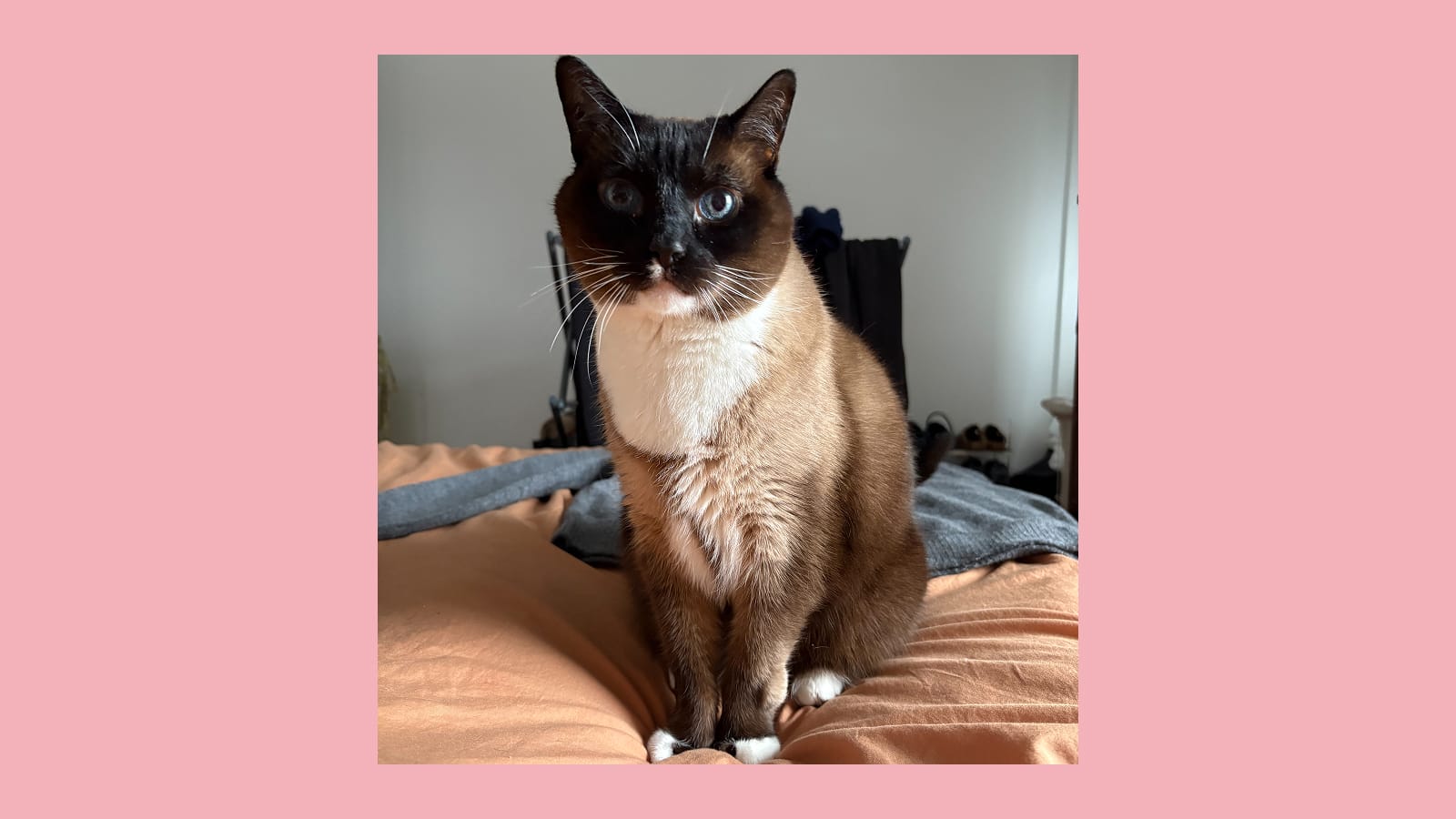
- Wednesday was my cat Sofia’s 12th birthday! We treated her to some paté and some new mouse toys. -Alicia
TikTok of the week
@aliciatalksmoney 3/28/2026: Stocks fall into correction as investors realize maybe war might be bad for the economy. #economy #stocks #stockmarket
♬ original sound - Alicia Adamczyk
Stat of the week

- The amount U.S. adults believe they will need to retire comfortably—up $200,000 from last year, according to Northwestern Mutual’s 2026 Planning & Progress Study.
What else we published on The Purse this week
 Alicia Adamczyk
Let us know!
 Alicia Adamczyk
Thursday marked one year since Liberation Day.
 Lindsey Stanberry
Lindsey talks March on The Purse and complicated feelings about SXSW.
 Natalie Gadbois
Alicia’s friend Natalie Gadbois gives us all the details on her three-week solo trip to Buenos Aires. For paid subscribers.
Best money we spent this week
- As mentioned in Wednesday’s newsletter, over the weekend I went to the Museum of the City of New York with friends to see Joe Macken’s scale model of the entirety of NYC. My friend Kristen got us in for free with Culture Pass, and I bought a $4 biscuit from the café. -Alicia
- I’m getting deep in study mode for the CFP exam in July, but I’m trying to build in some fun things to look forward to over the next few months so I don’t totally lose my mind. That included buying tickets to go dancing with friends in late May and for the Prospect Park Soirée in June, one of my very favorite events of the year. Thanks, Shari, for actually doing all the purchasing! ($171) -Lindsey


