


Late May through early June is graduation season, and each year there’s inevitably a flurry of inspiring commencement addresses encouraging new grads to “have the courage to follow your heart and intuition”1 and “trust your gut [and] don’t listen to the critics.”2
It’s both exciting and terrifying to be in your early 20s, graduating from college and launching into the so-called real world. There’s so much promise, but also so much is unknown. For better or worse, most of those graduation speakers don’t admit that those feelings of uncertainty most of us have at 22 never really go away. Two decades into my career, I’m still trying my best to follow my heart and intuition, but you better believe that the path is still foggy as hell. On any given day, I’m just trying not to fall off a cliff.
We never really outgrow the need for the occasional pep talk. Recently, though, I was struck by the idea that there are certain ages when we really need commencement-level advice. A couple of weekends ago, I attended the wedding of a dear friend, and while watching her and her bridesmaids celebrate on the dance floor, I felt a twinge of nostalgia for my early 30s. Yes, that period of time can be excruciating, but also, I’d argue, it’s a moment as monumental as college graduation, if not more so.
Your late 20s and early 30s is a stretch of time when the big life milestones—getting married, buying homes, having babies, pursuing promotions—hit one after another in such a dizzying flurry that it’s hard to not always feel like you’re behind. Check one box off of the life list, and another goal inevitably pops up.
From 28 to 36, I bought an apartment, got married, landed a dream job, figured out that job was actually a nightmare job, got laid off, struggled to find a new job, took a huge pay cut for a new dream job, lost that job, struggled again to find work, landed at Refinery29, worked my butt off and got a lot of cool opportunities, got pregnant, sold an apartment, bought an apartment, had a baby, and spent a lot of time worrying whether I was successful enough when compared to everyone around me.
But one of the smartest things I’ve done over the last decade is surround myself with incredible women who are always willing to listen and advise when I need support—and I’ve needed a lot of help, LOL! When putting together this group chat, I reached out to women I’ve known for years, and to women I admire and would like to know better, and I asked them: What advice would you give your 30-year-old self?
Cristina Goyanes and I met during our freshman year at Boston University, and we were young, ambitious, and broke editorial assistants in NYC together for much of our 20s. I have been the beneficiary of many of her wonderful pep talks, and it’s been so exciting to see her launch and grow Revel, an amazing content company.
I first got to know Fran Hauser when I was at Refinery29, and she was promoting her book The Myth of the Nice Girl. She’s been a huge inspiration for me ever since. Fran’s truly done a little bit of everything, from holding executive roles at Fortune 500 companies to investing in an impressive roster of female-founded startups to authoring two books. And this year, she opened a bookstore, Bedford Books, in Bedford, NY, fulfilling a lifelong dream.
Sehreen Ali Noor and Marci Alboher are newer friends. Sehreen is an award-winning tech entrepreneur, as well as a mother of two. LinkedIn can be a cringe place, but Sehreen is one of my favorite people to follow there because of her amazingly candid and insightful posts on the topics of entrepreneurship and parenthood. I was first introduced to Marci when she hosted an event for one of my favorite financial advisors, Manisha Thakor, and I pretty much immediately knew I wanted to be friends with her. She’s chief engagement officer at CoGenerate, a nonprofit dedicated to bridging the divide between generations. It’s important work that I deeply admire.
I don’t know Julia Turshen personally, but I love her recipes. I decided to reach out to her after I read a recent newsletter where she was so forthcoming about one of her cookbooks (Now & Again) not being a huge commercial success when it was published, and I really appreciated her honesty and self-reflection. I immediately requested it from the library and then sent Julia a DM to see if she was game for this group chat. I was thrilled when she said yes. My hunch that she would have good advice was spot on.
I’m so glad all these women said yes, because they each offer unique perspectives and wonderful advice. I hope you find it helpful whatever your age. I know I have.
Julia Turshen
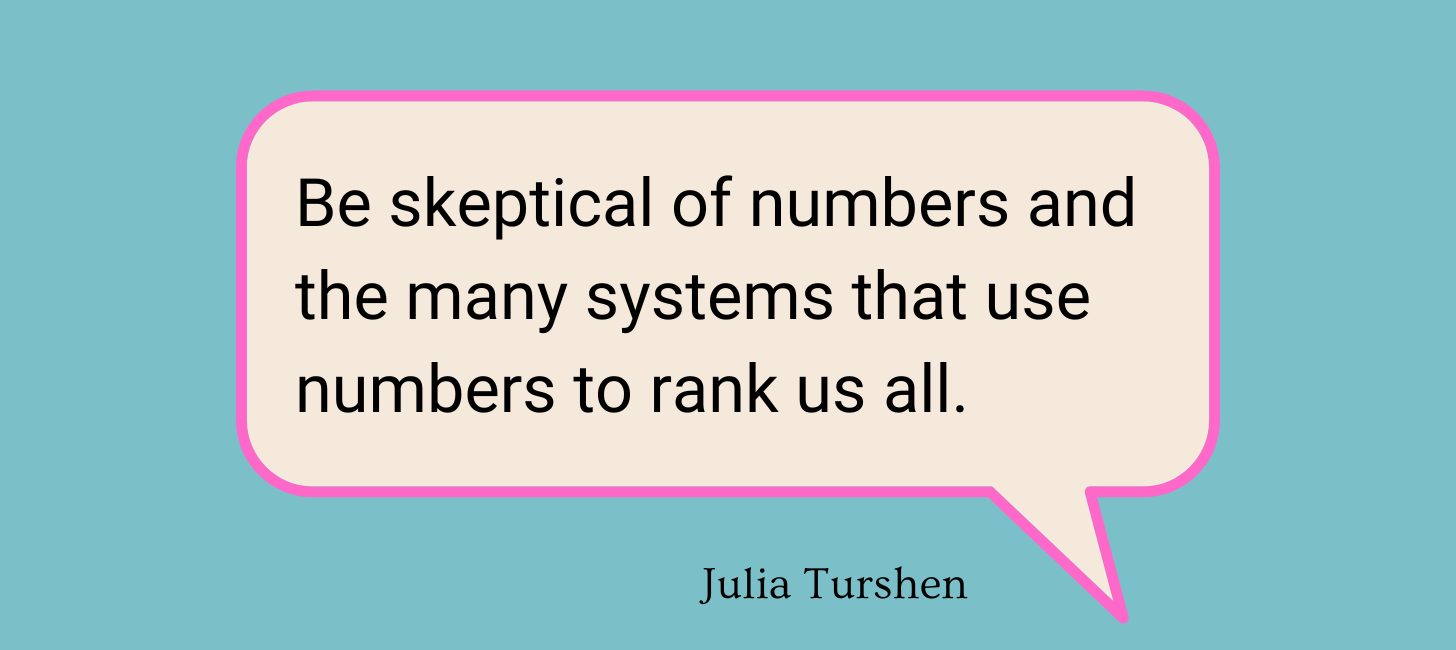
The advice I’d give to my 30-year-old-self would be to really reflect on how many things I measure with numbers and consider other metrics whenever/wherever possible. And—here’s the hard part—my additional advice would be to figure out how to have these new metrics feel just as powerful as the numbers.
To be more specific and personal: How can I determine how successful my work is without relying on numbers like how much money I’ve earned? How can my success as a writer not be dependent on how many books I’ve sold? Or how many followers I have, or where I land on any kind of list (if I land on any kind of list at all). Are there other ways to measure my success? Have I helped someone feel less scared of cooking? Have I maybe helped them feel more at ease in their daily life because now cooking isn’t so overwhelming? Have I connected with a young queer person and shown them a version of adulthood that they can see themselves reflected in?
How many numbers do I use to measure my worth in other areas? Like my weight or my clothing size? Get out of here! How about how I feel in my body? How about all the things my body allows me to do and enjoy?
I guess my advice is to be skeptical of numbers and the many systems that use numbers to rank us all. Of course we live under capitalism and can’t ignore reality (i.e. money), but it’s not all that matters. My advice is to invest just as much, if not more, in accounting for things that are more fun and meaningful to measure. Like the depth of the relationships in your life, your personal resilience and strength, the quality of the rest you’re able to have, and how abundant pleasure is in your day-to-day life.
Julia Turshen is a New York Times bestselling cookbook author and founder of the newsletter and podcast.
Marci Alboher
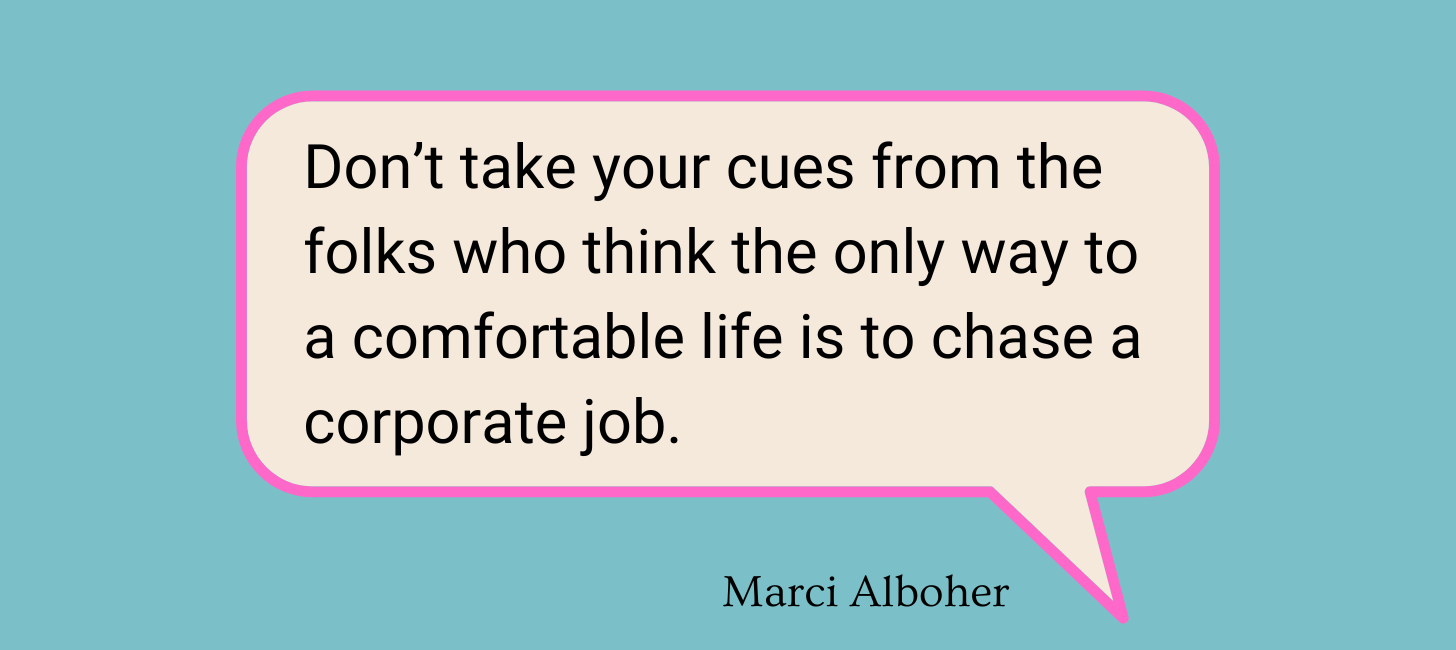
Young Marci, here’s the money secret you need to know now: Money can be a ticket to freedom, but without creativity and community, you won’t ever have the big, joyful, connected life you crave. So find the ways to live big without spending big.
Don’t take your cues from the folks who think the only way to a comfortable life is to chase a corporate job. Instead, hang with the ones who have figured out that volunteering offers as much to the giver as to the recipient. Find the folks who are trying to fix our broken world; they often also know how to have a good time without breaking the bank.
Remember that long walks, time in nature, and many cultural activities are free; you just have to carve out the time. Pay attention to the people who share their living spaces with friends and family and prefer couch-surfing or home swaps over hotels. Consider roommates or pet sitting as ways to experience places you’d never be able to afford on your own, not just for the savings but to stay socially connected. Think about how cross-age friendships can help you visit worlds you’d never have access to if you stick to friends your own age. And recognize that the intergenerational clothing swap you started with your mom is not just a way to refresh your wardrobe; it’s your favorite way to build community and be a convener, two things that are core to your identity.
Marci Alboher is an authority on career issues and workplace trends and the chief engagement officer at CoGenerate.
Cristina Goyanes
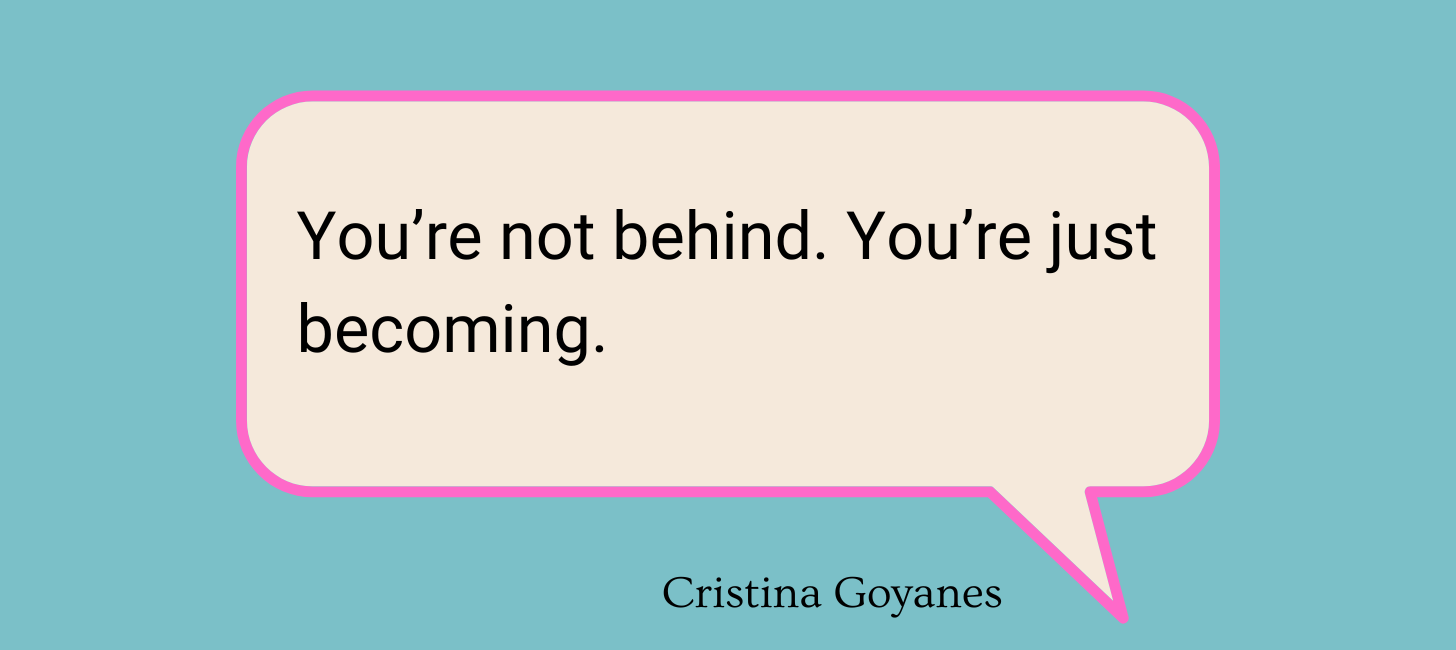
If you’re a decade into your career and wondering, “What’s next?”—good. That means you’ve grown. You’re not just chasing the next title or paycheck anymore. You’re asking deeper, harder questions: What do I really want? What kind of life am I building?
In my mid-20s, while working at Women’s Health, I’d ride the NYC subway home and stare at an ad that read: “I want so bad to be good.” That one line wrecked me. I did want to be good—at my job, in the world, at everything.
Nearly 15 years later, I felt that same restlessness. Only this time, it was with the creative agency I’d cofounded, Revel. The difference? I knew we were good—we just needed a few brave brands to bet on us. One of our first clients—named one of Time’s Most Influential Companies—helped open doors to others, who then referred more. That slow-but-steady ripple built our business.
So here’s what I remind myself, and what I’d tell you: Keep doing the good work. It will pay off. The turning point doesn’t always look like a big break; it might be one client, one moment, one “yes.”
Say “no” to what doesn’t align. Follow the butterflies. And please know—you’re not behind. You’re just becoming.
To quote Lin Manuel Miranda’s In The Heights, “Paciencia y fe.” Patience and faith.
Cristina Goyanes is the cofounder of Revel, an award-winning content partner for emerging and leading health brands.
Sehreen Noor Ali
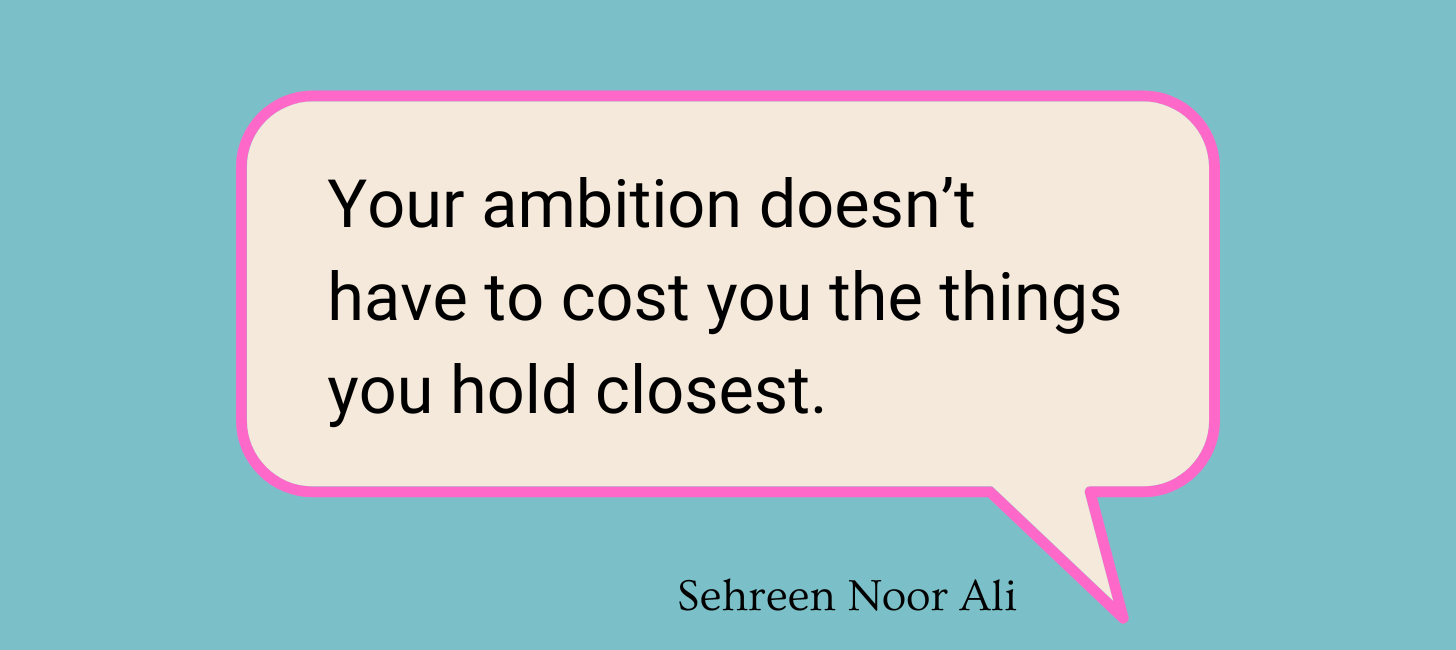
Dear Young Sehreen,
Ten years ago, your oldest was one. You were sleep-deprived, chasing the startup life, and doing your best to hold it all. You were excellent at tending to others, but you hadn’t yet examined your relationship with money.
You carried inherited stories—quiet ones passed across generations and oceans, the kind only your nervous system remembered. As the daughter of immigrants and an aspiring tech founder, you believed money meant safety, voice, and arrival. You didn’t write your own money story. You tried to live someone else’s.
In New York, money was everywhere. You resisted materialism but were still a little seduced by what revenue-driven success seemed to offer: influence, comfort, freedom. It took your startup’s closure and your daughter’s diagnosis to shake that illusion. Those moments cracked something open.
Eventually, you’ll stop operating from fear; prolonged time at hospitals and doctors’ offices beat that out of you. You unearth the desire to thrive, not simply survive.
You’ll learn that time, clarity, and care are also currencies. That your ambition doesn’t have to cost you the things you hold closest. You’ll work less, live more, and still make enough.
And no, it won’t be effortless. But it’ll be yours.
Perhaps most of all, you’ll realize money doesn’t give you worth. You’ve always been resourced from the inside. And when you lead with humanity, conviction, and the hard-earned clarity that comes from building something from scratch, the right money shows up, on your terms.
Love,
Your Future Self
Sehreen Noor Ali is an award-winning technology entrepreneur with a background in social justice.
Fran Hauser
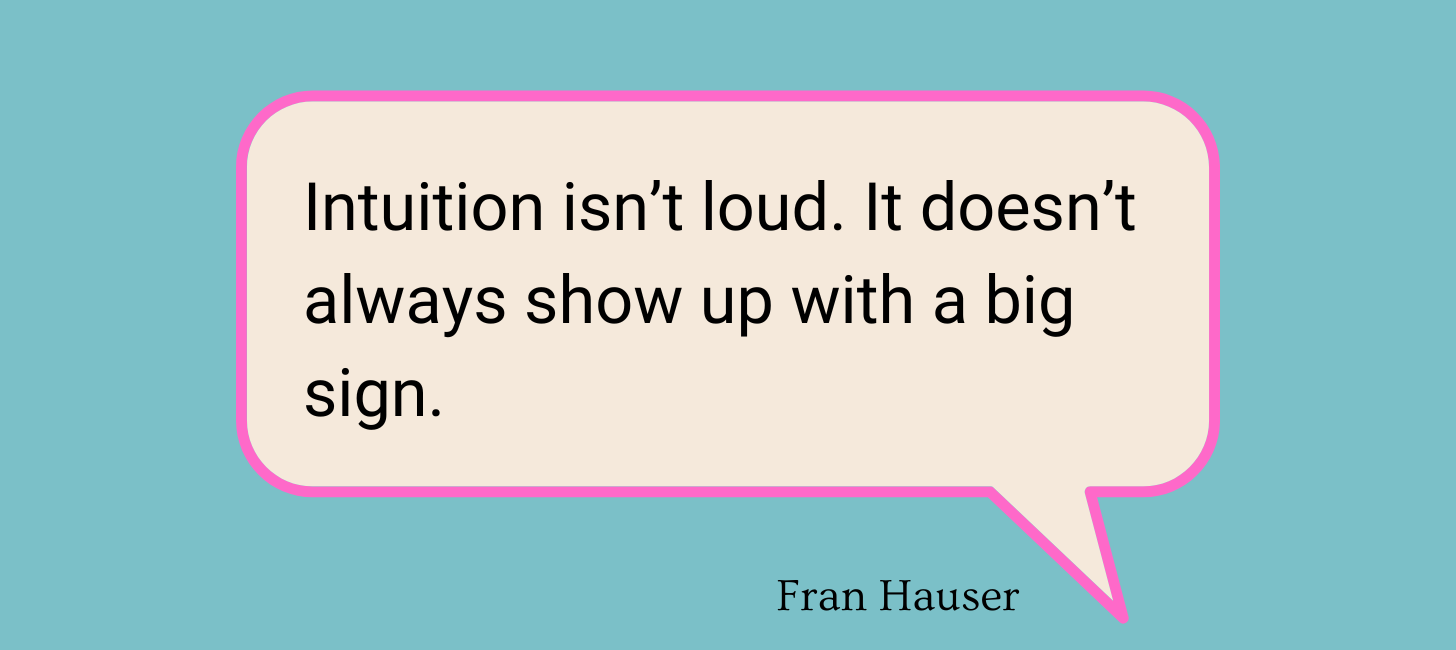
“Trust your intuition. Follow your heart.” It sounds simple, but it takes real intention—especially when the logical part of your brain is shouting, “Are you sure?!”
When I learned that the dream space for my bookstore had become available, I had just signed a deal for my third book. My first reaction was: How can I possibly do both? It felt overwhelming. But instead of rushing to a decision, I gave myself time to sit with it. One morning, standing in my kitchen with a cup of coffee and looking out the window, I just felt it. A quiet but certain knowing. A bookstore was something I’ve always wanted in my life—and I wanted to make room for it.
That moment reminded me that intuition isn’t loud. It doesn’t always show up with a big sign. Sometimes it’s just a soft inner nudge that says, “This matters.”
If you’re looking to strengthen your connection to that inner voice, here are a few practices that help me:
- Make space for stillness. Intuition thrives in quiet moments.
- Pay attention to your body’s signals. Notice how you feel physically in different situations—tightness in your chest, butterflies in your stomach, a sense of calm or expansion. These are clues.
- Journal before deciding. Let your thoughts flow freely—you might be surprised what surfaces.
- Reflect on times your intuition led you in the right direction. What did that feel like?
- And my favorite: Ask yourself, “What do I want to do?” Not what you should do.
Following your gut isn’t always easy—but it’s almost always worth it.
Fran Hauser is a bestselling author, keynote speaker, champion of women in the workplace, and owner of Bedford Books in Bedford, NY.
Thank you, Julia, Marci, Sehreen, Cristina, and Fran! I love all this advice so much!
As for me, if I could go back and tell 30-year-old Lindsey anything, I would encourage her to travel more, take a few more risks, and start investing sooner in more than just her 401(k). It’s a relief to look back now with the knowledge that those seeming career dead-ends were just detours, but I don’t think I’d let my past self know that. It’s all those big and small disappointments that make the big and small wins that much sweeter.
What would you tell your younger self? Or what’s the best piece of advice you’ve received from a mentor or friend?
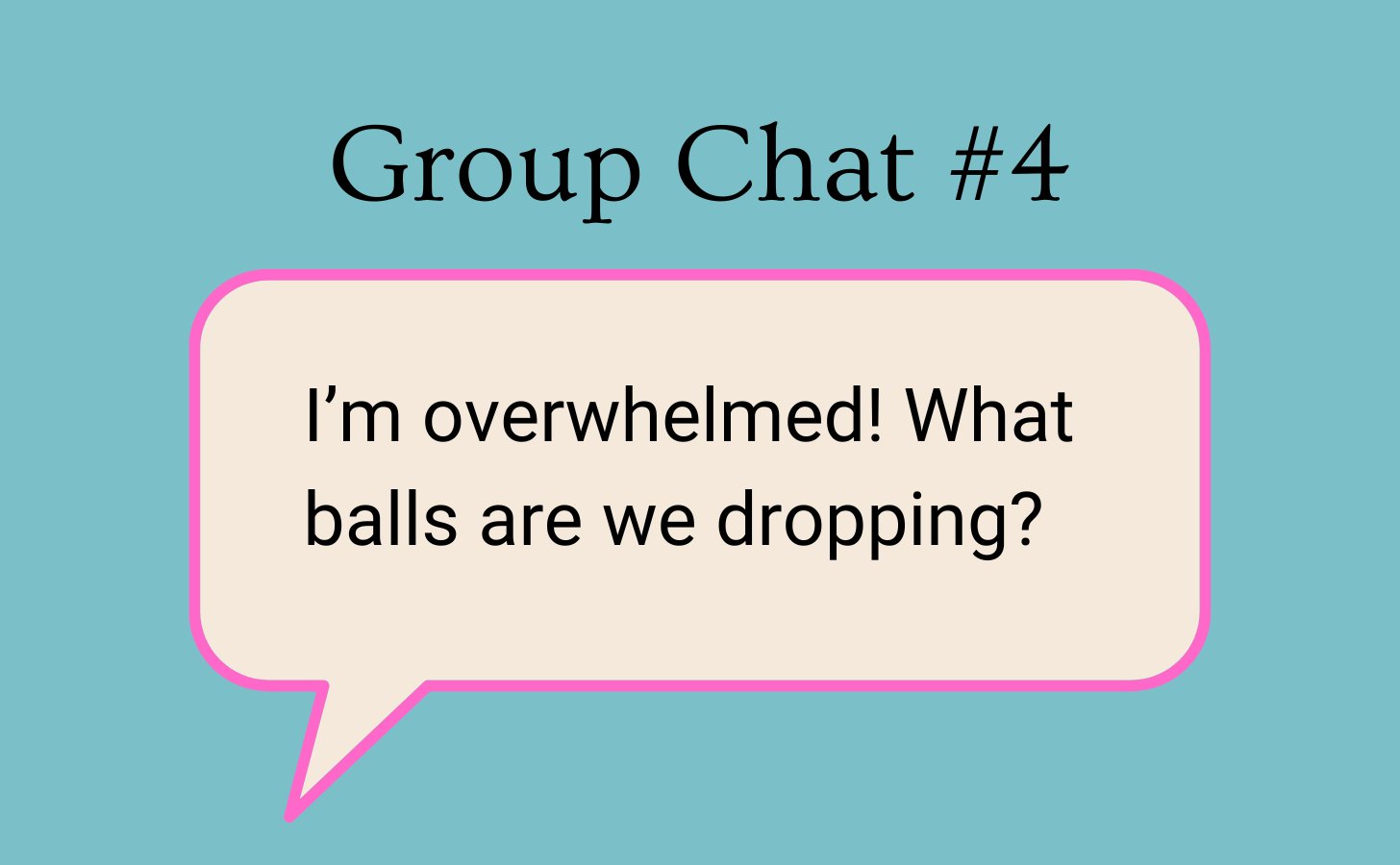
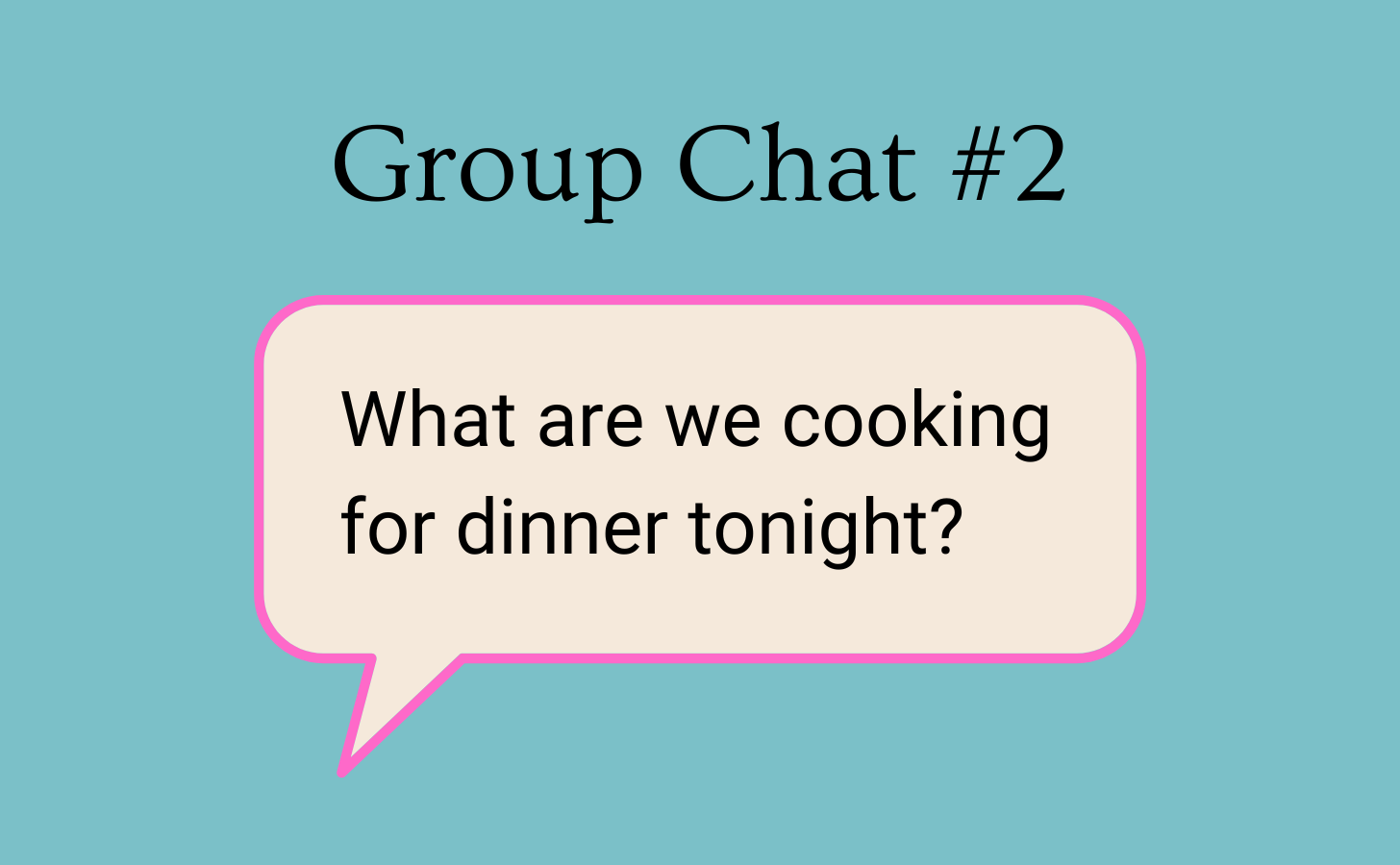
More from the Group Chat:
 Lindsey Stanberry
 Lindsey Stanberry
 Lindsey Stanberry
Random Extras:
On Instagram, I did a roundup of a few of my favorite Father’s Day-related stories. I know the holiday has come and gone, but I did want to drop links to this great piece from on the importance of dads showing their work and this story from Yahoo Life about the mental load of fatherhood. (I totally rolled my eyes when I heard about this piece from my friend Erin, but I thought it was really good, and it gave me a lot to think about!)
Speaking of Instagram, you should follow us there! It’s a fun time!
I hit my goal of 100 Home Economics submissions this week! Woohoo! Thank you to everyone who’s shared! (And here’s the link if you’d like to submit!) The next paid edition lands in your inbox this weekend, and it’s a good one! (Also, this is a good time to upgrade to paid!)
A classic from Steve Jobs. Ken wants me to point out that he’s pretty sure Jobs ripped off Jewel’s 2003 single “Intuition” for this speech. ↩


