


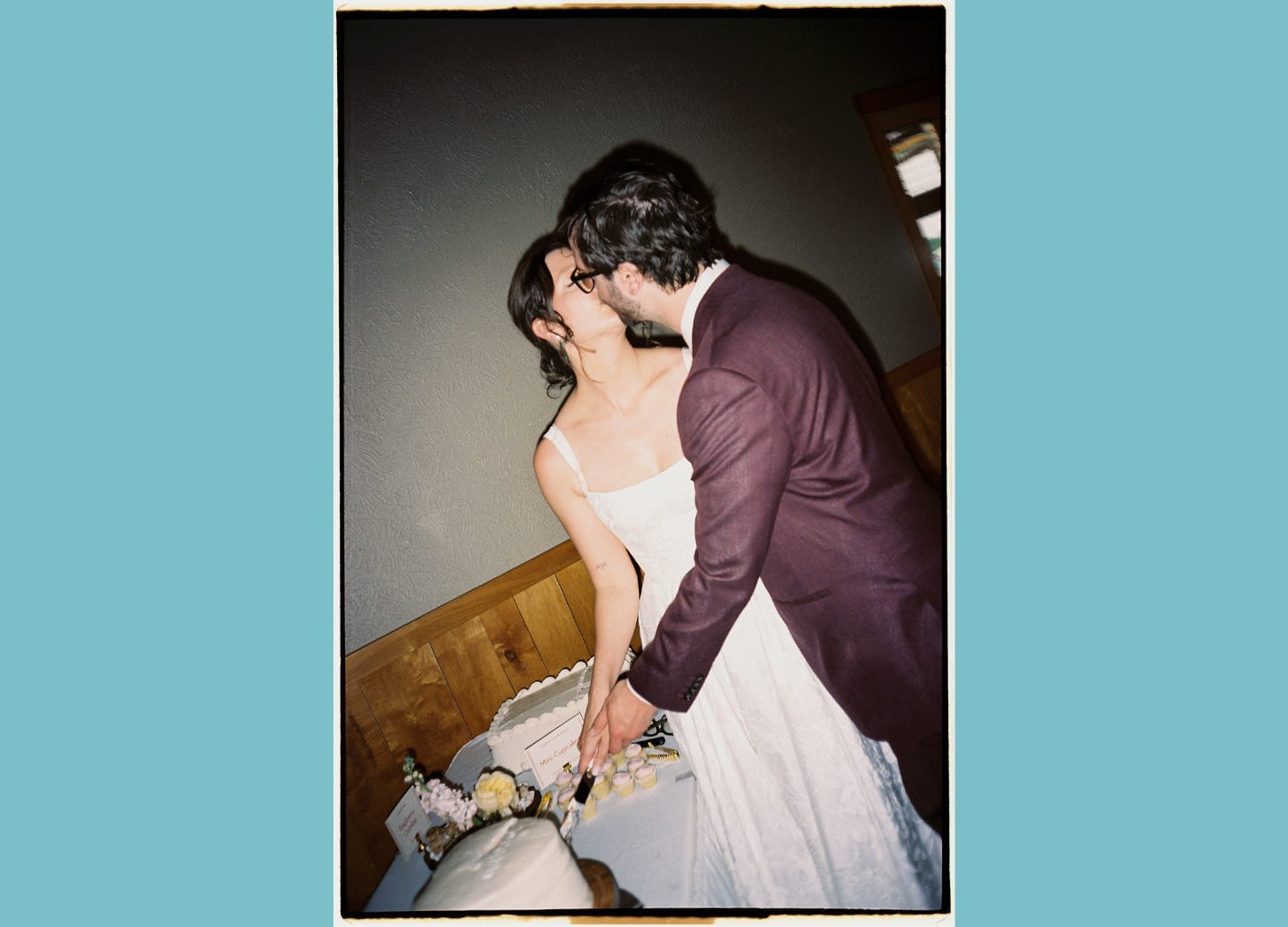
I entered 2025 knowing it would be far from a cost-friendly year. Chris, my then-fiancé, and I were planning a fairly traditional wedding for June while also preparing to move into a bigger apartment. We had budgets for both, sure, but those were devised earlier, when we were gainfully employed 30-somethings with little other debt and no dependents, aside from our cat.
You know what they say about the best-laid plans. In the end, 2025 was a more expensive year than I could have imagined, a budget buster for the ages.
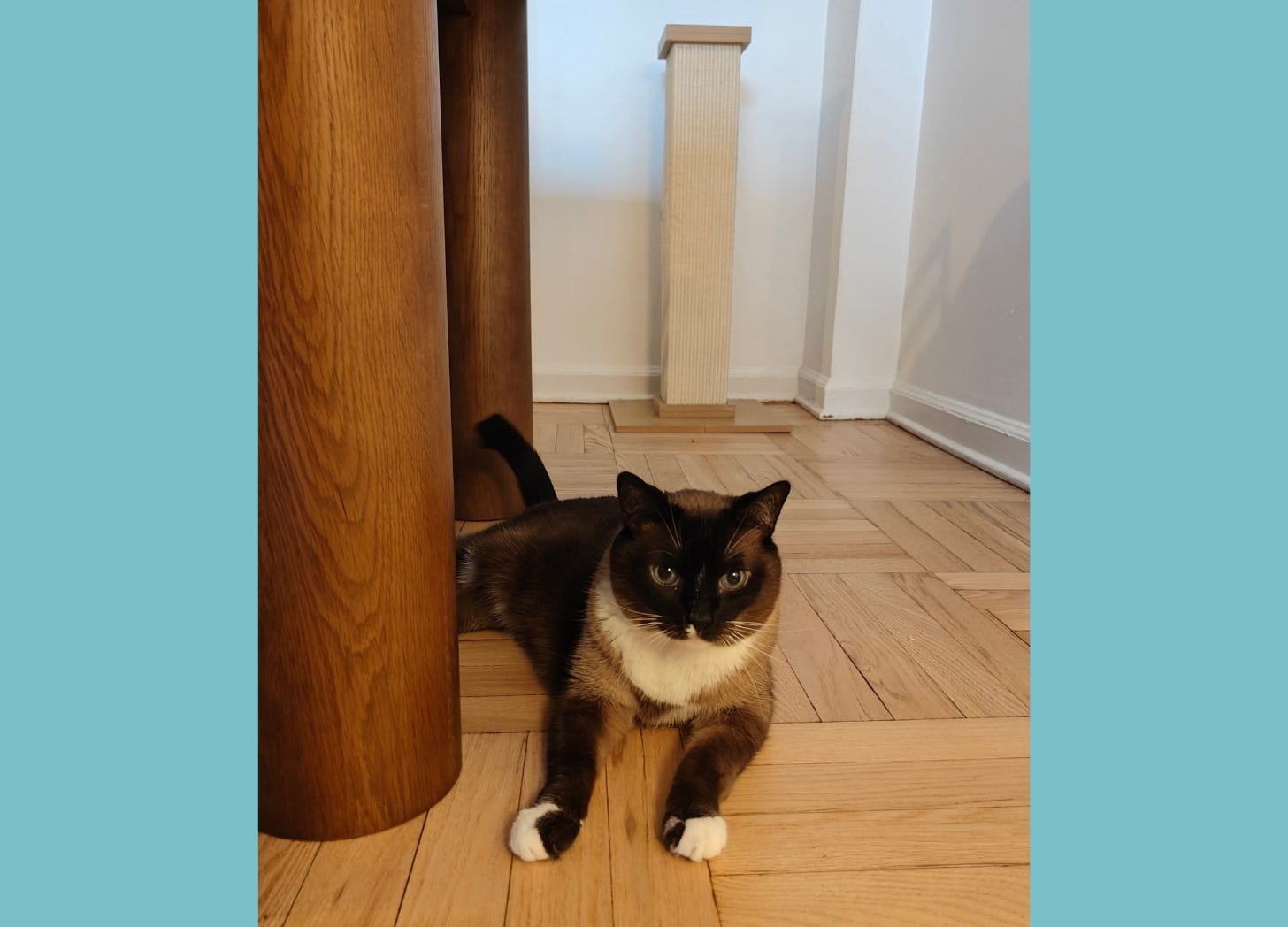
First there was the move, which included hiring a moving company, buying new furniture for our larger space, and adjusting to higher rent. Then came our destination wedding with 100 guests, which Chris and I financed ourselves with some help from our parents. But the spending didn’t end there. In the fall, I planned an impulsive (but wonderful) trip to Ireland, which was followed by four successive—and expensive—vet visits for Sofia, the aforementioned cat.
And then there was the one expense that nearly broke me: shopping for health insurance on the marketplace, just in time for the highest rates anyone’s ever seen. One month after our wedding, I lost my full-time job, and with it my six-figure income and employer-sponsored health insurance for both me and my husband. To the marketplace we went.
Last year would have stretched our budgets even if I didn’t get laid off. But losing my job changed everything. Still, 2025 taught me some priceless lessons: that stability is borrowed, a retirement account isn’t the only thing worth investing in, and I can handle more than I’ve given myself credit for.
It all comes back to your emergency fund (and keeping debt to a minimum when possible)
Though I have written about the need for a “fully funded” emergency fund countless times over the decade-plus I’ve been a personal finance reporter, 2025 was the first time I personally experienced how important it really is.
While my savings account wasn’t as stacked as some of those we’ve featured in Home Ec, when I was laid off, I had around $14,000 easily accessible even after paying off all of the wedding expenses (my share of that was around $20,000). I knew that would only last a couple of months if I brought in no other money, but it made the transition to job searching—and taking a day or two to try to unwind and relax—much less stressful. Yes, my husband surely would have picked up my half of the rent if things got dire, but I am proud that, so far, I haven’t needed to make that ask.
Despite having a year of many big expenses, Chris and I were able to keep how much debt we took on to a minimum. That allowed me to feel comfortable knowing my emergency fund could stretch further since I wasn’t worried about big APR charges.
When we did take on debt, we were strategic about it. Going into the new year, the only expense left over from 2025 is the balance we have on a shared credit card we used to buy a few pieces of furniture for the new apartment. Our original plan was to take advantage of the card’s 0% introductory APR and pay off the balance after the wedding, but, again, things haven’t exactly gone to plan. There’s still around four months left in the zero-interest period, so we’re steadily chipping away at the remaining balance, which totals a few thousand dollars.
Chris and I both have more than enough savings to pay it off in full when the time comes, so I’m not particularly worried about this. It made better financial sense to pay it off slowly while taking advantage of the full interest-free period. But it’s a reminder to keep spending within my means going forward—because if circumstances were a little different, it might be much harder to pay off.

You have time to figure things out
Immediately following my job loss, I reached out to people in my network and began applying for jobs on LinkedIn. I was really worried about paying for health insurance, and my knee-jerk reaction was to find a new employer that offered a sponsored plan as quickly as possible.
Then Lindsey and I began having conversations about The Purse, and I wondered if there was a different way forward. I was pretty down on corporate media (and remain so), and I didn’t want to risk taking any job just to lose it again and find myself back at square one. Maybe doing my own thing could in fact offer a little more security than working for a single company? In personal finance terms, didn’t it make more sense to diversify than to put all of my eggs in one basket?
Chris and I had many conversations over many weeks about the future, and we decided together to do what we could to make freelancing work for me. I had long wanted to try it out, and given all the ideas Lindsey and I had, it seemed like the time to go for it. Though he is still wrapping up a few freelance assignments of his own, he plans to look for a full-time job in the coming months. Even if he doesn’t land something right away (which seems likely given the job market), our expenses are manageable—for now, at least.
Rebuilding income takes a while
Over the final four months of the year, I banked around $11,200 freelancing, or less than $3,000 per month—roughly one-third of my previous income. As a result, I scaled back my day-to-day spending and halted all savings and investment account contributions. The latter action messed with my personal finance writer brain a bit, but I keep reassuring myself it is a momentary setback.
As the weeks progressed and I settled into my new freelancer reality, I wouldn’t say I was particularly freaked out about my finances—other than worrying about my retirement fund and health insurance bill—or close to missing any payments on my financial obligations. Spending sacrifices were made, and I certainly had more financial anxiety than I felt when I had a steady paycheck, but overall I am lucky that I was in an OK financial position before the layoff hit.
I’ve been surprised to learn that I haven’t really missed spending money on many of the things I cut out of my budget over the past six months. (Except going out to eat. I love a night out at a new restaurant!)
Freelancing isn’t for everyone
While I’m enjoying my time as a freelancer, it’s hard. Yes, I have more control over my days in some ways than when I had a full-time job, but I also don’t have a steady income, benefits, or a predictable schedule for the first time in my adult life. I’m still getting acclimated to the feasts and famine of freelance life and making peace with unpredictability and rejection.
I don’t blame anyone who prefers the stability of a 9-to-5 job or full-time contract gig. And I don’t know if I would have been willing to take the chance on freelancing earlier in my career, when I had less experience, fewer contacts, and shakier self-confidence.
In some ways, this is the opportune time for me to try to make it outside of corporate America, but I know how lucky I am to be in this position. I’m trying not to waste it!
Combining finances is a game changer
Much like I don’t know if I could have successfully freelanced when I was less experienced, I do know I’d be 100 times more stressed without Chris in my corner. And I’d likely have less money in my savings account.
Chris paid for most of Sof’s vet bills and our new health care bill for the past two months, for which I am grateful. Thanks to him stepping up to pay these expenses, I still have basically all of my savings.
Having spent the past decade relying solely on myself financially, it’s been a huge mental adjustment to realize I can count on someone else. Seven months into this marriage thing, that comfort doesn’t come naturally, yet; I still default to budgeting on my own, and we’re working out our joint finances and goals. But having his support—financially, emotionally, and otherwise—is a huge blessing and great relief.
So yes, the timing of losing my income one month after spending tens of thousands of dollars on a wedding wasn’t ideal, but it also could have been much, much worse. And all of the conversations and events of the past few months have given Chris and me even more faith in each other.
I have more faith in myself
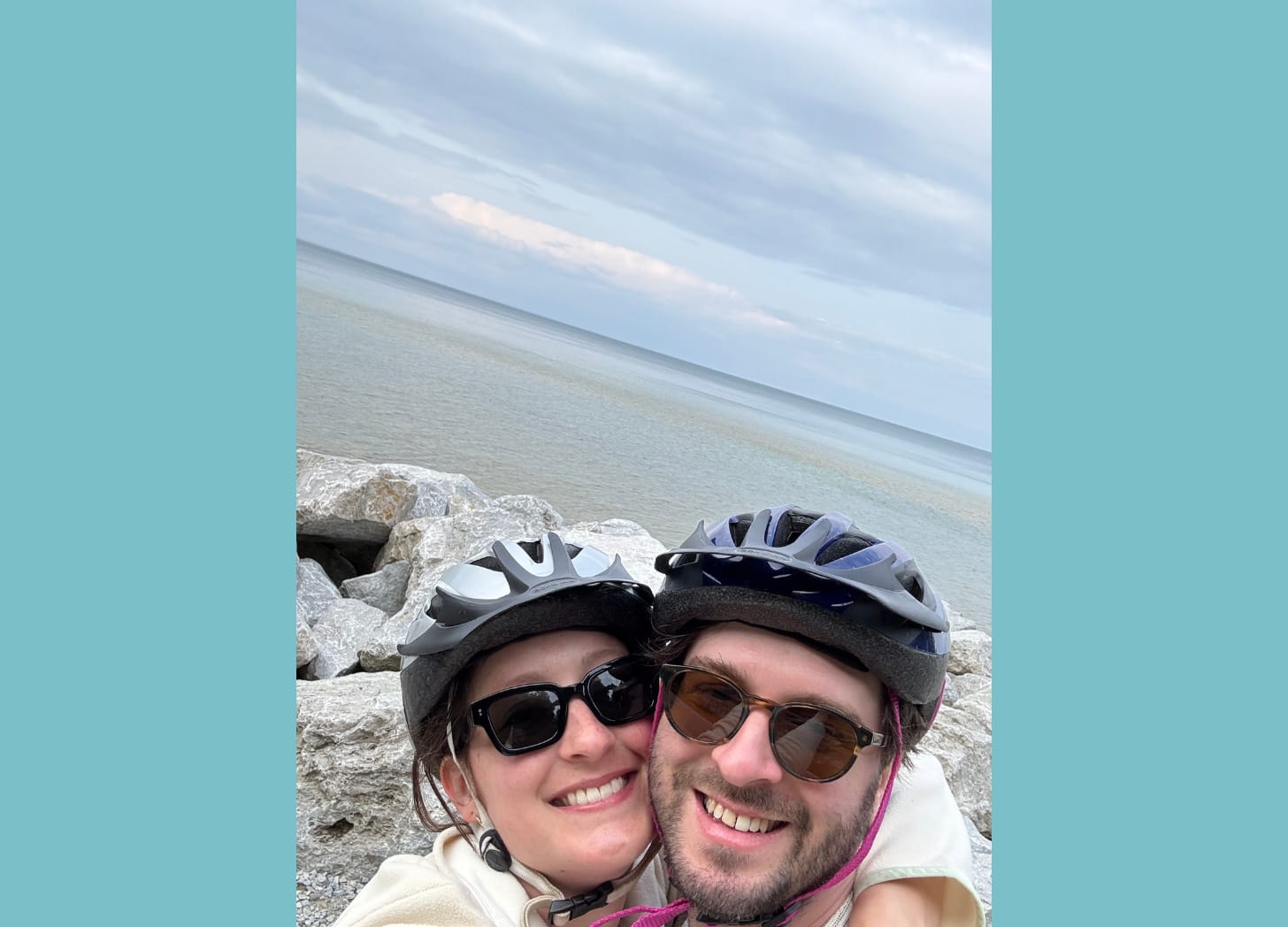
When I no longer had a 9-to-5 to show up to, I told a friend that I was thinking of taking a trip abroad. But I was second guessing myself. I’m pretty risk-averse by nature; spending, likely, thousands of dollars when I had no guaranteed income lined up felt like the most irresponsible thing I could do at that moment.
What she told me has stuck with me: “You have the time now, but you won’t always. And you know more money will come.”
Her belief in me (and the money) reconfigured something in my brain. Yes, things were uncertain and scary. I was stressed about, well, basically everything. But what if I had just a little faith in myself? What if I made a bet that, as long as I wasn’t spending extravagantly, the finances would work themselves out?

I took the trip, and everything was fine. I was able to really enjoy Ireland because I wasn’t worrying about work emails or all of the tasks waiting for me back home. And I was still able to pay my credit card bill on time. That’s been the best lesson so far: Yes, much of my current financial and career situation is new to me. But my work ethic, abilities, and financial know-how are not. When the going gets tough, I know I can count on myself to figure things out.
I entered 2026 with a few outstanding payments from various outlets I worked with last year, as well as a signed contract that guarantees more income at least through April. I’ll be able to pay my half of the rent, health insurance, and other bills, and, hopefully, restart investing for retirement. I also intend to double down on building up my liquid savings again, so I have a bigger buffer. And, of course, pay off that furniture bill.
Perhaps more importantly, I’m happy with the work I’m doing and excited about the future. The money, I feel confident writing, will come.
Copilot Money is offering a special deal to Purse readers: You can get two months free when you use the code THEPURSE. Plus, they’re offering 26% off your first year when you sign up at copilot.money (new users only).


